
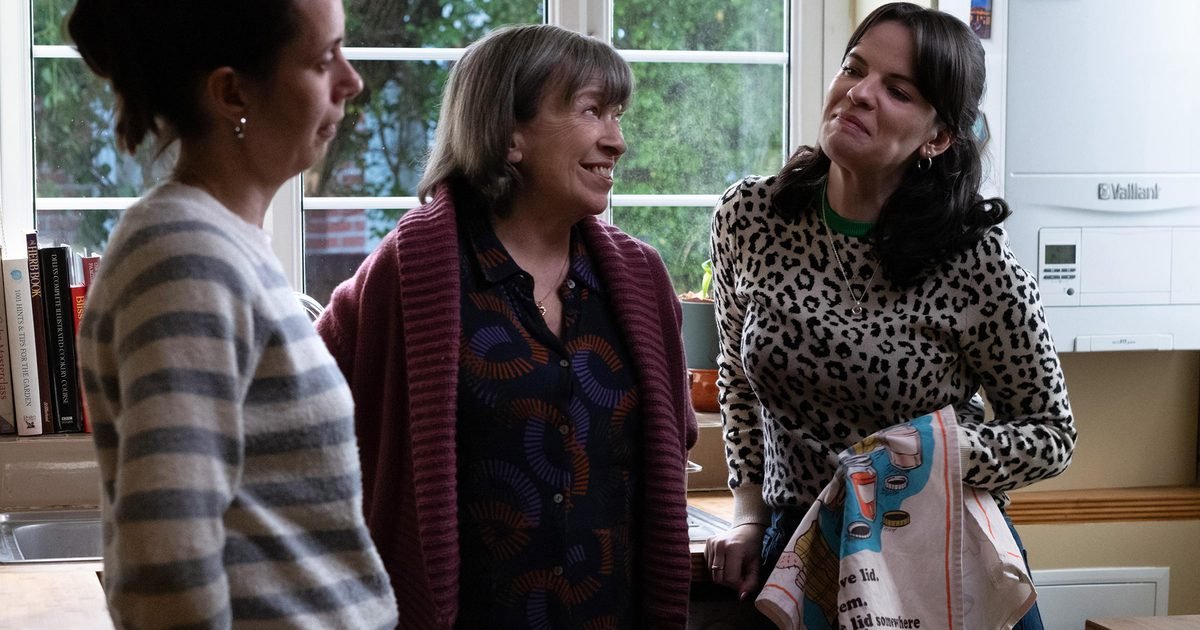
In aroundtable interview towards the end of July 2026, Mike Leigh suggested that his sixteenth film, Tender Loving Care, would likely be his last, not out of choice but necessity. Complications from living with the muscle wasting disease myositis have reduced his mobility, and Leigh admitted that the physical demands of filmmaking were becoming aburden.
His pragmatism is reflective of the no-nonsense attitude which is embedded into his artistic style, but also speaks to ongoing accessibility issues in not just the film industry, but British society as awhole. With social care suffering year-on-year cuts and the NHS constantly under the threat of privatisation, it’s evident that the most vulnerable are acontinual afterthought, and popular cultural and political rhetoric seeks only to divide people along the lines of who is able to “contribute” to society and who isnot.
Get more Little WhiteLies
In short: to exist in an ageing, disabled or otherwise vulnerable body is to be constantly scrutinised, with the constant expectation to justify one’s existence, or to be seen and treated as though invisible. These stories from the margins are often unheard, and when they are, they fail to inspire the radical change necessary to provide dignity forall.
Leigh himself doesn’t often care to openly reflect on the thematic content of his work, but it’s hard to separate the art from the artist in Tender Loving Care, given that Leigh likely embarked on it with the awareness it might be his filmmaking farewell. While Ihope that is very much not the case, if this is to be the final Mike Leigh film, he’s chosen to go out on aspectacular high.
Working in his usual highly improvisational manner with aquartet of past colleagues, Leigh finds himself in the London suburbs again – first on ahospital ward, where an elderly patient is paid avisit by chipper social worker Rosie (Alice Bailey Johnson, daughter of Marion Bailey). She’s there to oversee his transition out of hospital following aheart attack, but finds the man unreceptive to her persistent line of questioning whereby social services treat patients less as individuals and more as exercises in filling outforms.
Once home, Rosie eagerly awaits the return of her best mate Amy (Kate O’Flynn), also asocial worker, who’s recently broken up with her long-term boyfriend after he decided to go back to his ex. It’s evident that Amy is putting on abrave face about her relationship woes, but she’s still happy to be back in Rosie’s spare room. With the same dark hair and wide, mischievous grins, they could be sisters – Amy’s parents Birdie (Marion Bailey) and Geoff (Paul Jesson) certainly don’t make the distinction when both pop round for acuppa and acatch-up, reminiscing about the past and gossiping about the neighbours.