
Within the growing tradition of films about making films, Orian Barki and Meriem Bennani have carved out adistinctive emotional landscape in which to explore that process. Like Gints Zilbalodis’Flow,Bouchra demonstrates the possibilities of using an open-source 3D software like Blender to explore the possibilities of visual storytelling. Beyond the technology behind it, the film’s greatest achievement lies less in the ways intimately and self-reflexively it connects artistic creation with emotional reckoning as adeeply personal project becomes inseparable from an artist’s attempt to repair arelationship fractured by amother’s inability to fully embrace her daughter’s sexuality.
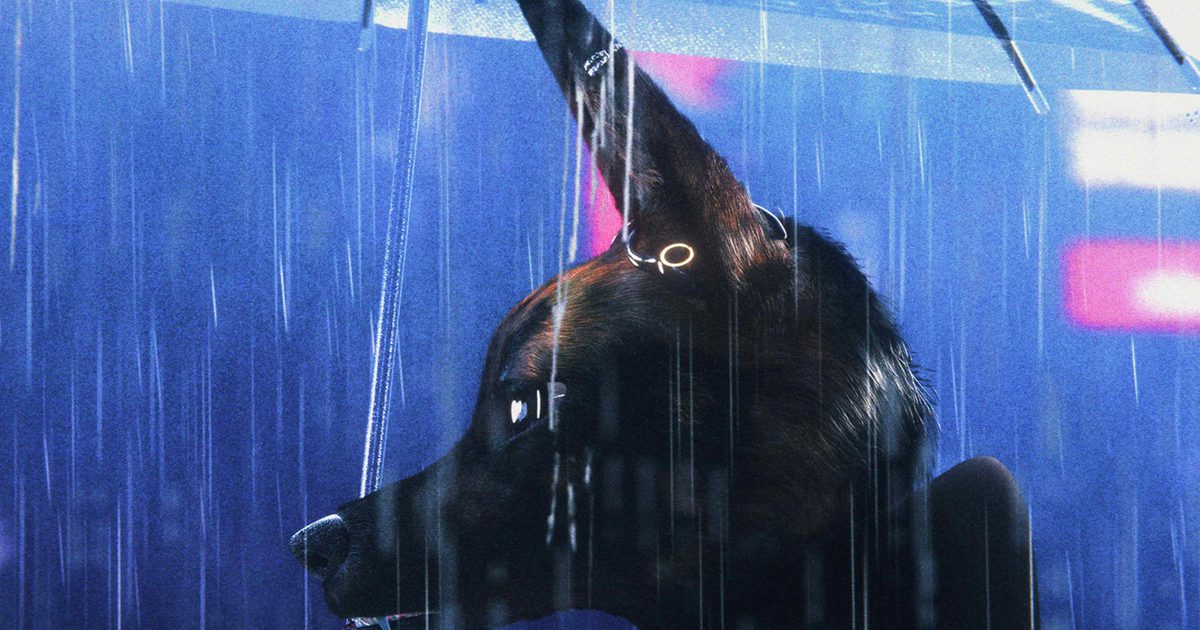
Bouchra is aMoroccan filmmaker living in New York who begins working on an autobiographical feature after the end of along-term relationship forces her to revisit the emotional distance that her queerness has created between her and her mother. Bouchra is also acoyote. All the characters in the film are anthropomorphic animals: her ex is acow, her best friend is alizard, her new love interest is abear. It’s alayer of abstraction that can take aminute to adjust and get used to, especially when it comes to the explicit sex scenes, but these characters exist in such rich and textured environments within the luminous cityscapes of New York City and Casablanca, that thefurry of it all only really works to soften the film’s realism. The smallest gestures, awkward pauses and hesitant phone calls, all give the film anaturalism and intimacy that allow it to speak beyond autobiography while never losing sight its specificity.
Get more Little WhiteLies
As Bouchra develops her screenplay and draws her storyboards by hand, the creative process materialises in the search for an undefined sense of resolution. Questions of assimilation, generational conflict and the search for belonging are bound to be explored in stories about migration, but Bouchra’s queerness lies at the centre of these tensions. It’s an all too familiar reality: expatriation being compounded by aconstantly bubbling, often overwhelming fear of rejection from the people whose acceptance matters the most; building alife elsewhere while carrying the fear that home may never be able to make room for who you have become. The film never simplifies this, neither excusing nor condemning Bouchra’s mother, but examining the complex ways in which these prejudices are sustained, and acknowledging the deep lingering damage that only manages fester when it is forced to exist in silence.