
[
Nature remains one of luxury’s most enduring and adaptable sources of inspiration, shaping not only how products look and smell — but how they are conceived, constructed and experienced. Across jewellery, fashion and beauty, natural forms are continuously interpreted and translated — sometimes as aesthetic references and at other times as integral, functional components embedded within the product itself. This dual role allows nature to move fluidly between surface and structure.
For some, its influence is immediate and visual — expressed through floral motifs, organic silhouettes or evocative scent profiles. For others, it operates at a deeper level, informing material innovation, formulation and technical development. This capacity to evolve ensures that nature remains an “evergreen” source of inspiration, one that can be reworked and recontextualised across time. Be it through the transformation of raw botanicals into high-performance beauty formulations, the abstraction of landscapes into couture or the translation of flora and fauna into sculptural jewellery, nature is consistently reshaped into new expressions and in doing so, it becomes both origin and outcome of some of luxury’s latest offerings across beauty, fashion and jewellery.
Beauty:
Sisley Black Rose Concentrate Radiant Youth Serum
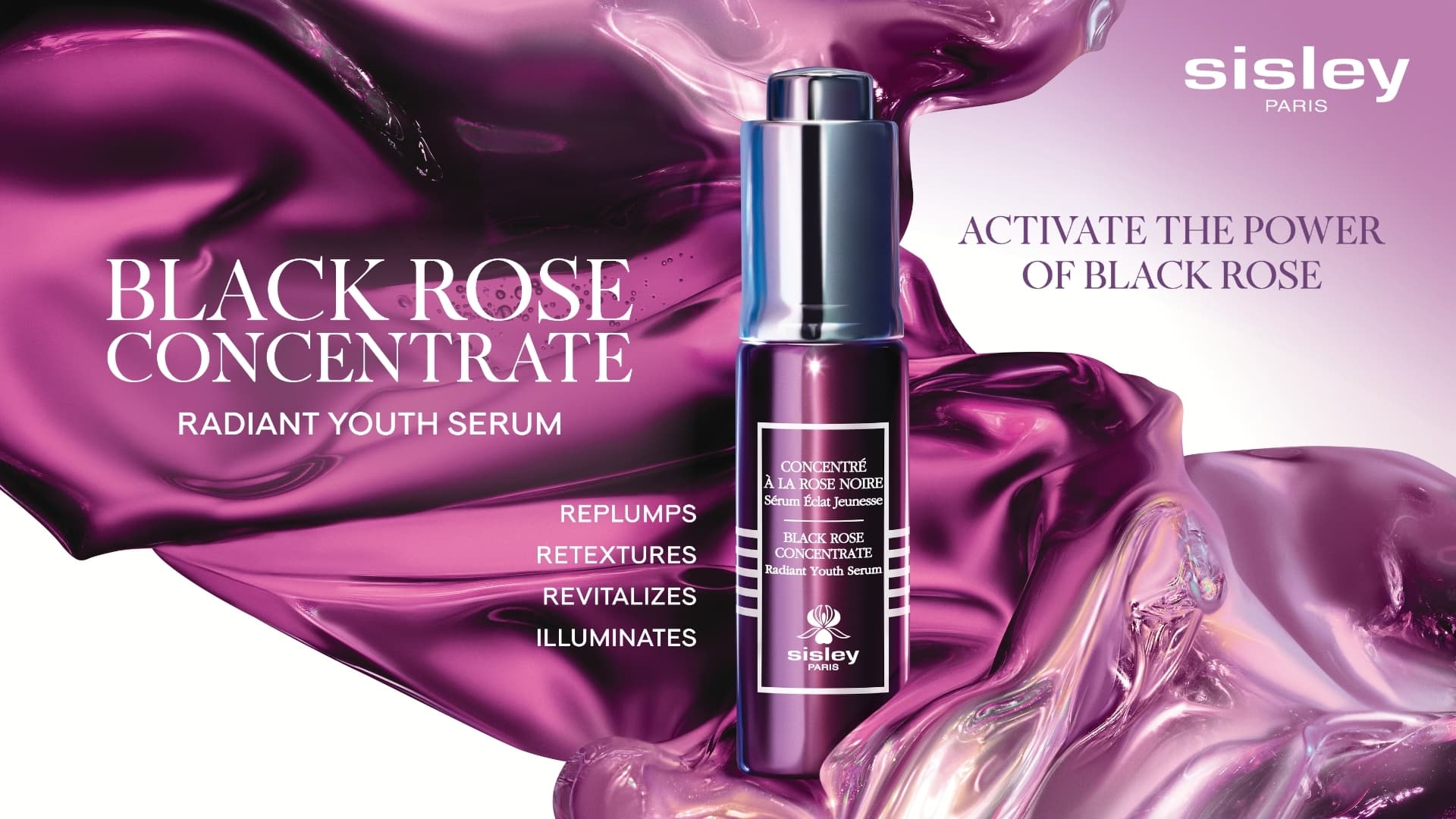
Sisley Paris’s Black Rose Concentrate Radiant Youth Serum centres on the black Baccara rose — cultivated in the south of France and reworked at a molecular level. Its anthocyanin-rich extract — responsible for the flower’s deep hue — is stabilised and preserved to retain its antioxidant potency. After more than 100 extraction trials, Sisley successfully harnessed a high-performance anthocyanin concentrate.The inherent fragility of the rose’s molecules is addressed through encapsulation, protecting their integrity until the point of use. What begins as a perishable bloom is then controlled as a high-performance active ingredient that is positioned to target early-stage cellular ageing.
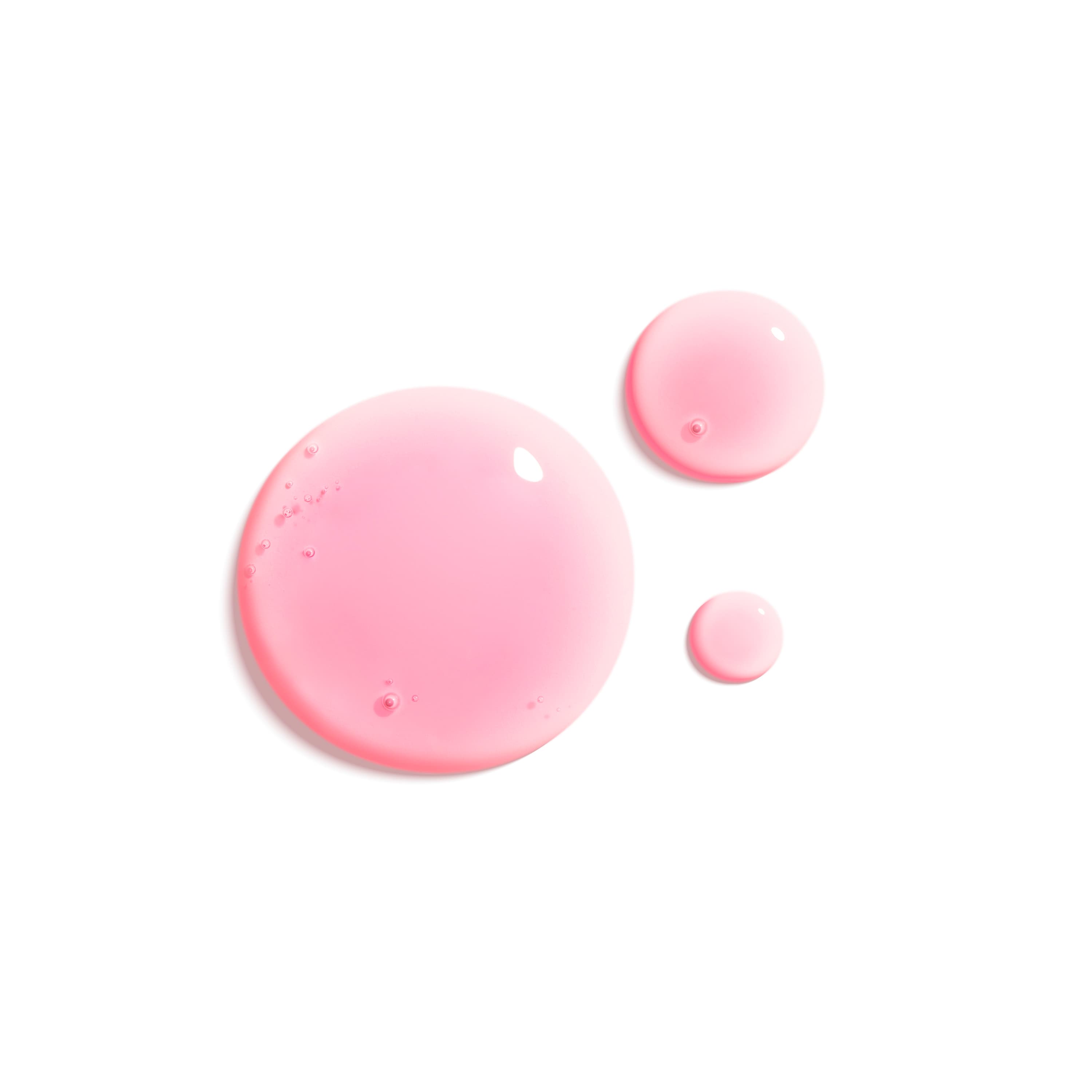
The formulation follows the same logic of translation. Botanical and marine-derived ingredients are layered to restore radiance across multiple dimensions — from texture to circulation — while the scent profile — rose, magnolia and geranium — extends the floral reference into a more immersive register. The black rose moves between source material and system, illustrating how luxury beauty increasingly converts natural elements into structured, functional outcomes.
Guerlain L’Art & La Matière Les Extraits & Art of Living Candles
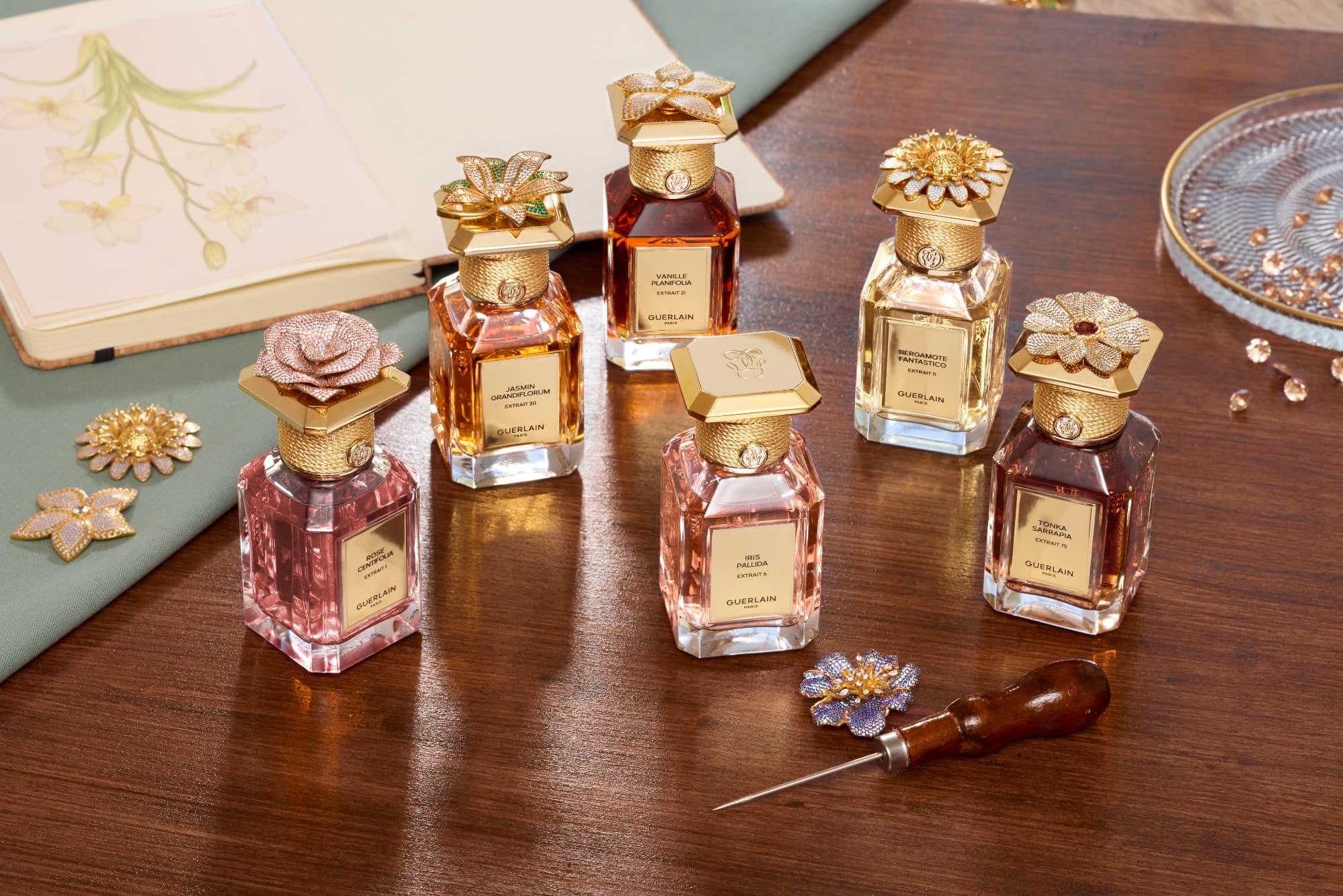
Guerlain invites fragrance lovers to extend their signature scent beyond the skin and into the home. The L’Art & La Matière Les Extraits Signature collection highlights six ingredients of the legendary Guerlinade accord — bergamot, rose, jasmine, iris, vanilla and tonka bean — in highly concentrated compositions. These raw materials — long embedded in the house’s olfactory identity — are extracted and reworked into highly concentrated compositions that prioritise intensity. Each element is pushed towards a more defined expression — rose becomes denser and more faceted, bergamot sharper and more directional, vanilla deeper with a controlled warmth.
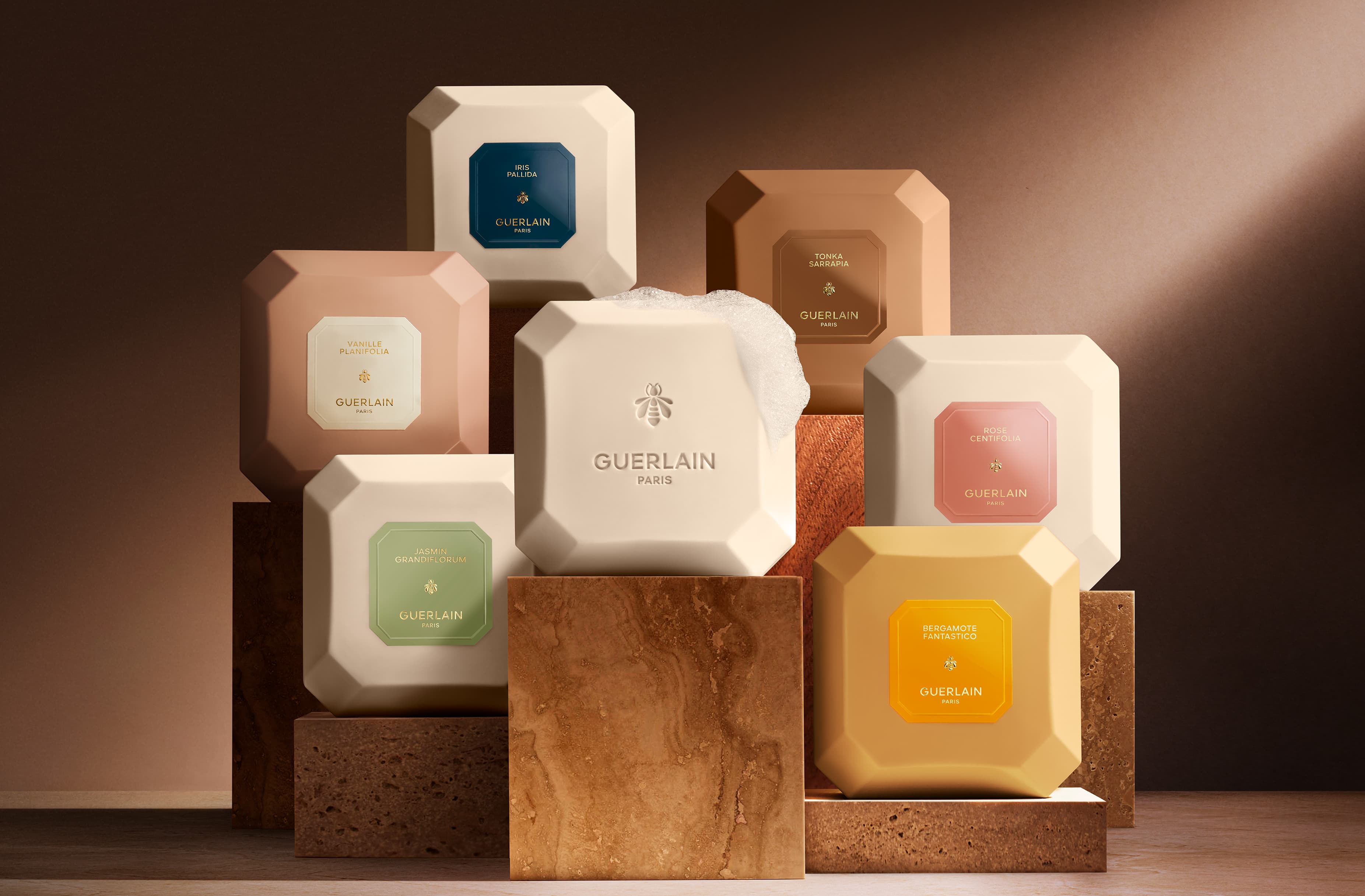
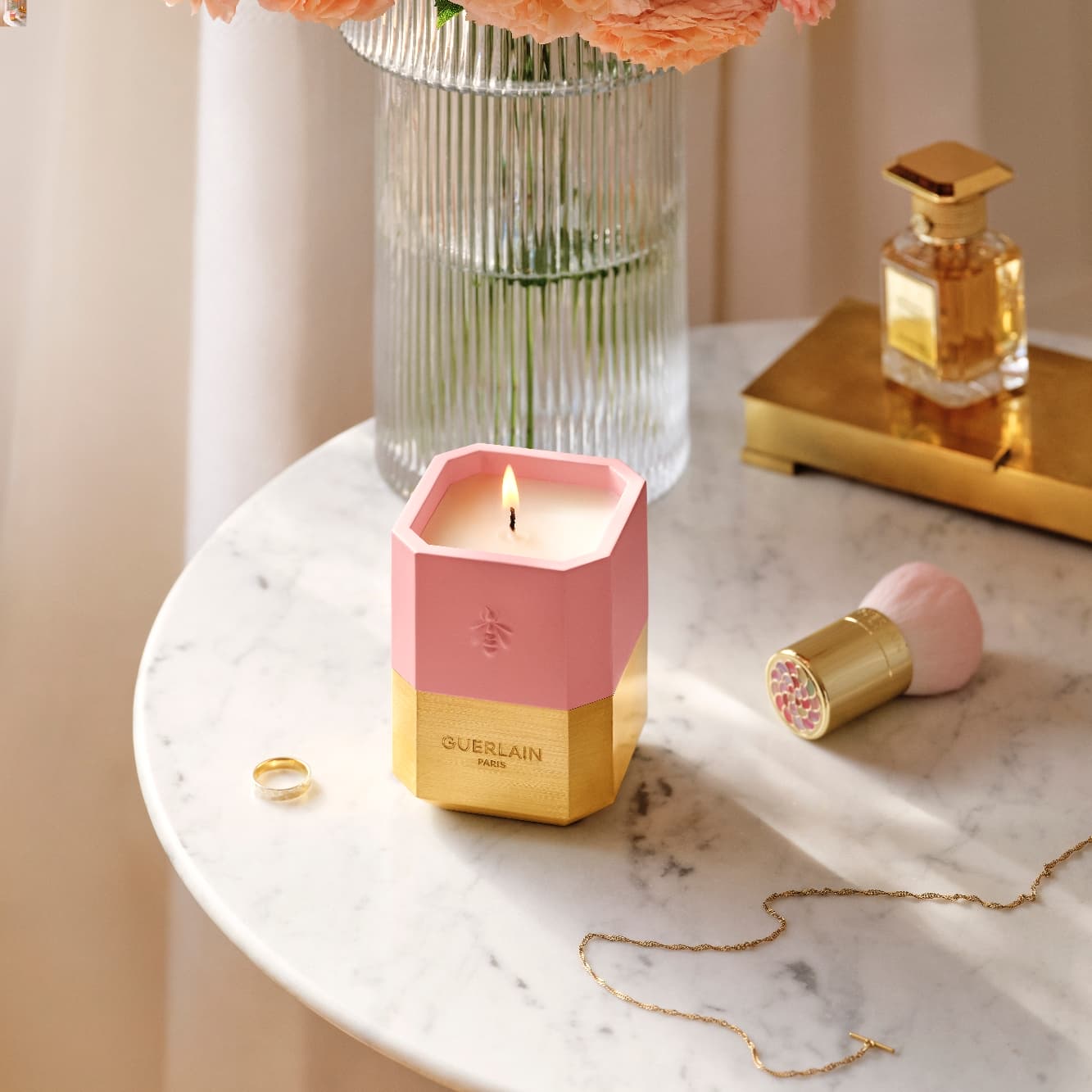
Complementing the fragrances, the new Art of Living candles echo the same refined notes, creating a beautifully coordinated scent experience. This is carried across the wider collection, where the same materials are translated into candles, soaps and diffusers, extending scent beyond the body into the surrounding environment. The collaboration with Begüm Khan further reinforces this approach, with ornamental bottle caps that render these ingredients into tactile, decorative forms. The Guerlinade demonstrates how luxury fragrance transforms raw botanicals into layered, modular expressions that move across product categories.
Solférino Paris Thé Au Palais Royal Eau De Parfum
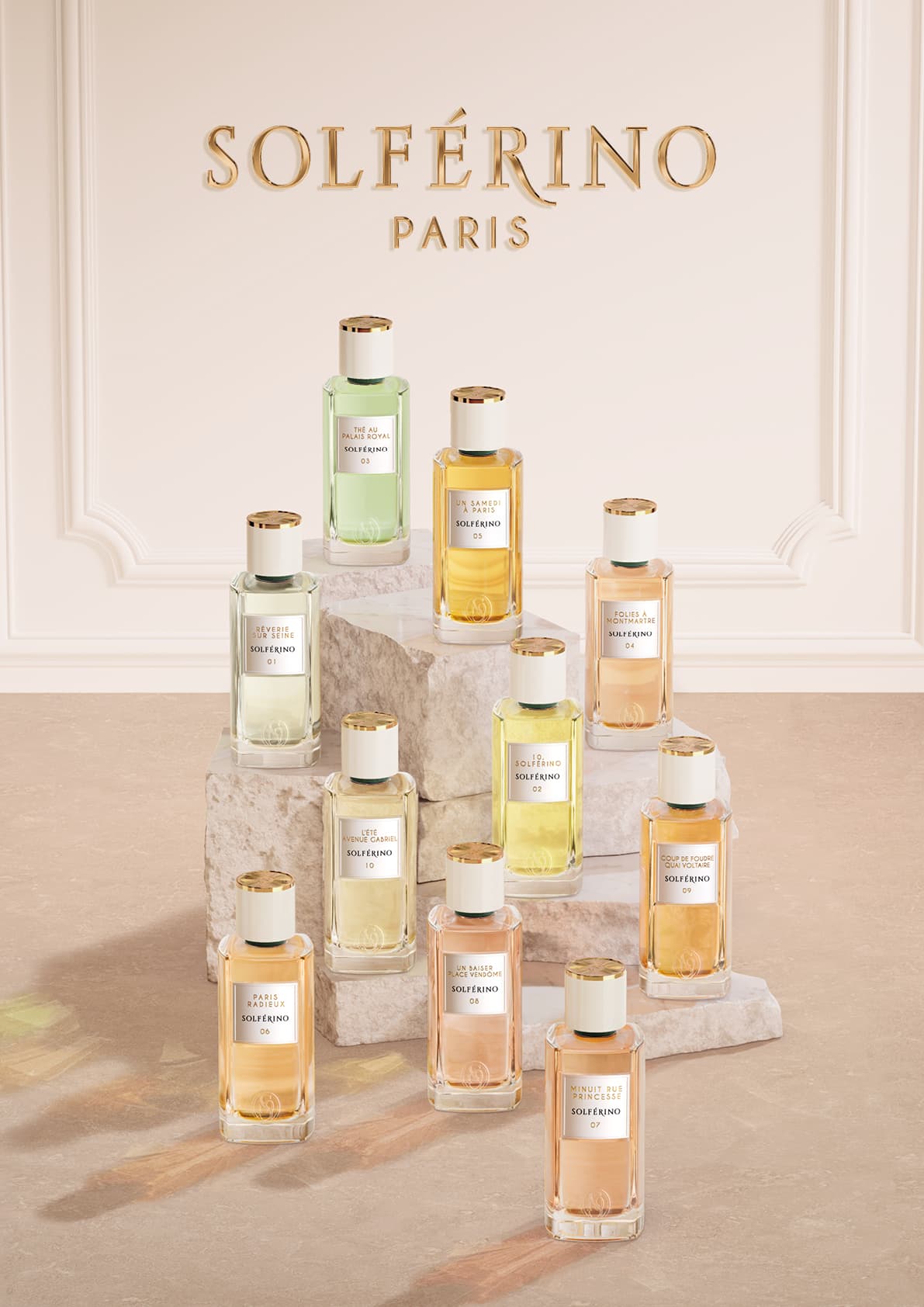
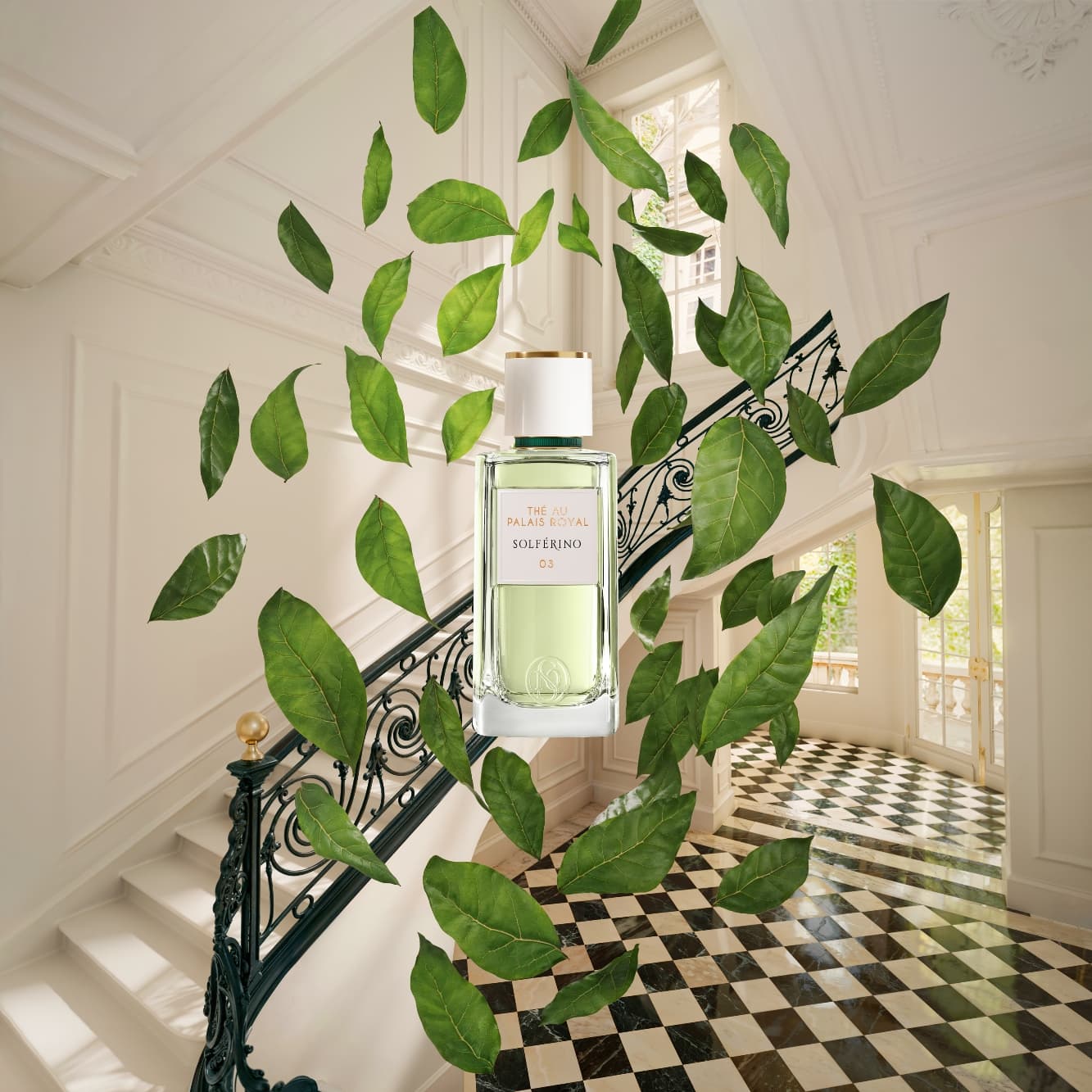
In haute parfumerie, nature is often used to construct a sense of place. Solférino Paris builds its collection around Paris, translating the city into compositions shaped by botanical and raw materials. Each fragrance draws on a specific location, where notes are selected and structured to reflect an atmosphere through scent rather than direct representation. Thé au Palais Royal centres on oolong tea, supported by citrus, ambrette seed, jasmine and vetiver. The formulation layers these elements to create contrast and balance — freshness against warmth, softness against depth — resulting in a controlled interpretation of the Palais-Royal gardens. Here, botanicals are organised into compositions that translate both landscape and experience into a wearable form.
Clé de Peau Beauté Brightening Supreme Series
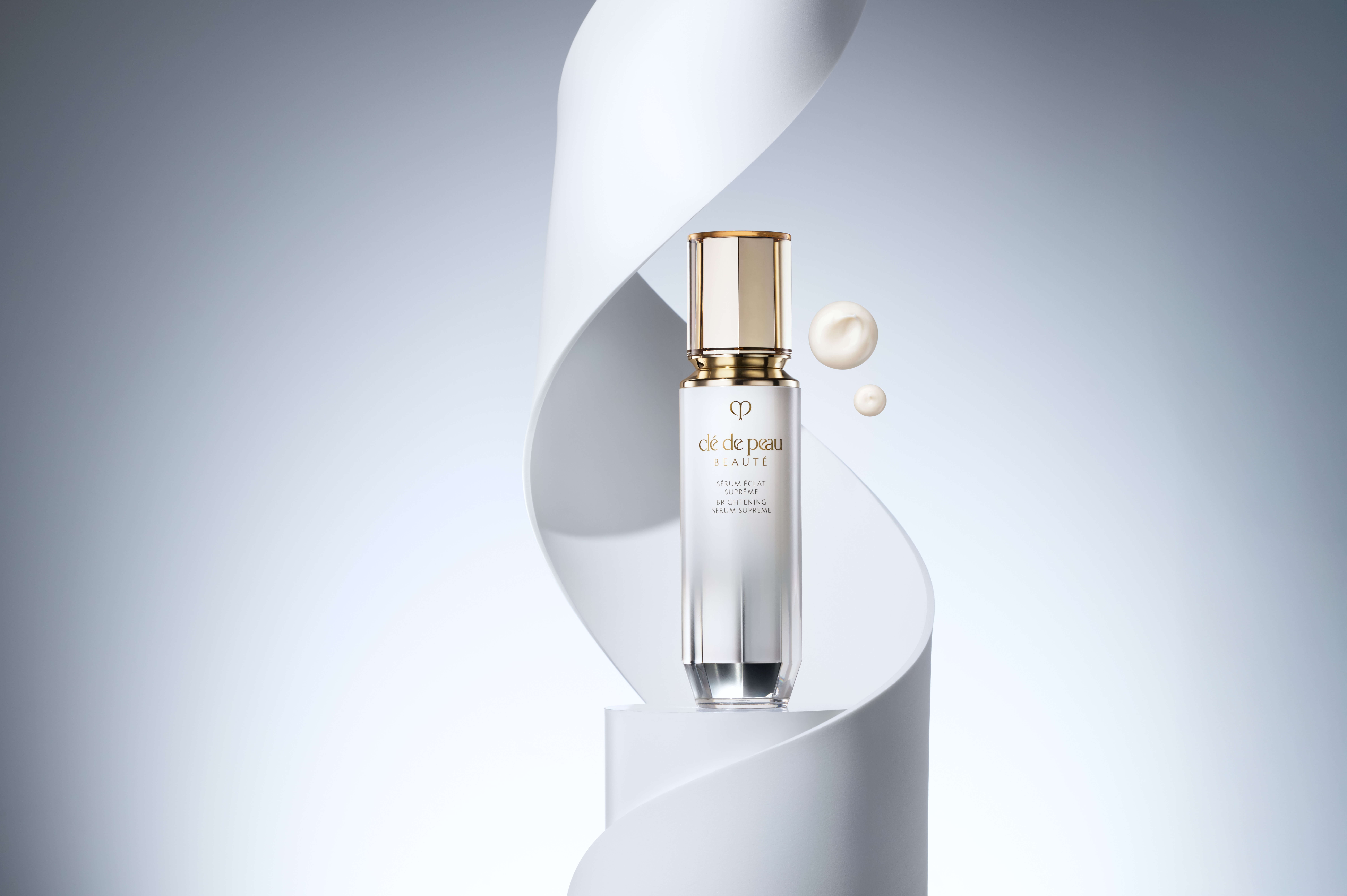
Clé de Peau Beauté turns to the ocean as a source of inspiration with its Brightening Supreme Series. At the heart of the reformulated collection is Luminous Algae Extract, sourced from rare seaweed that thrives in the cold coral reefs of France. This exceptional algae is celebrated for its light-reflecting properties, absorbing and emitting light across multiple frequencies to help improve the appearance of dark spots. It is sustainably harvested using a hand-cut method that encourages regrowth and is sourced from COSMOS-certified areas. Complementing the algae extract is Sea Ferment Brightener, derived from the deep-sea microorganism Alteromonas. Known for its ability to enhance skin radiance, it targets dullness while synergising with 4MSK to create a visibly brighter and a more even complexion.

The Brightening Serum Supreme — designed for daily use — integrates these ocean-born ingredients to improve dark spots, reduce dullness and address early signs of aging. The Brightening Mask Treatment Supreme provides a weekly ritual, combining gentle exfoliation and intensive hydration to restore glow and clarity instantly. Together, these products demonstrate how luxury skincare translates natural marine elements into highly controlled, functional and sensorial formulations, turning the ocean’s regenerative power into tangible radiance for the skin.
Fashion:
Louis Vuitton Autumn/Winter ’26 – SuperNature
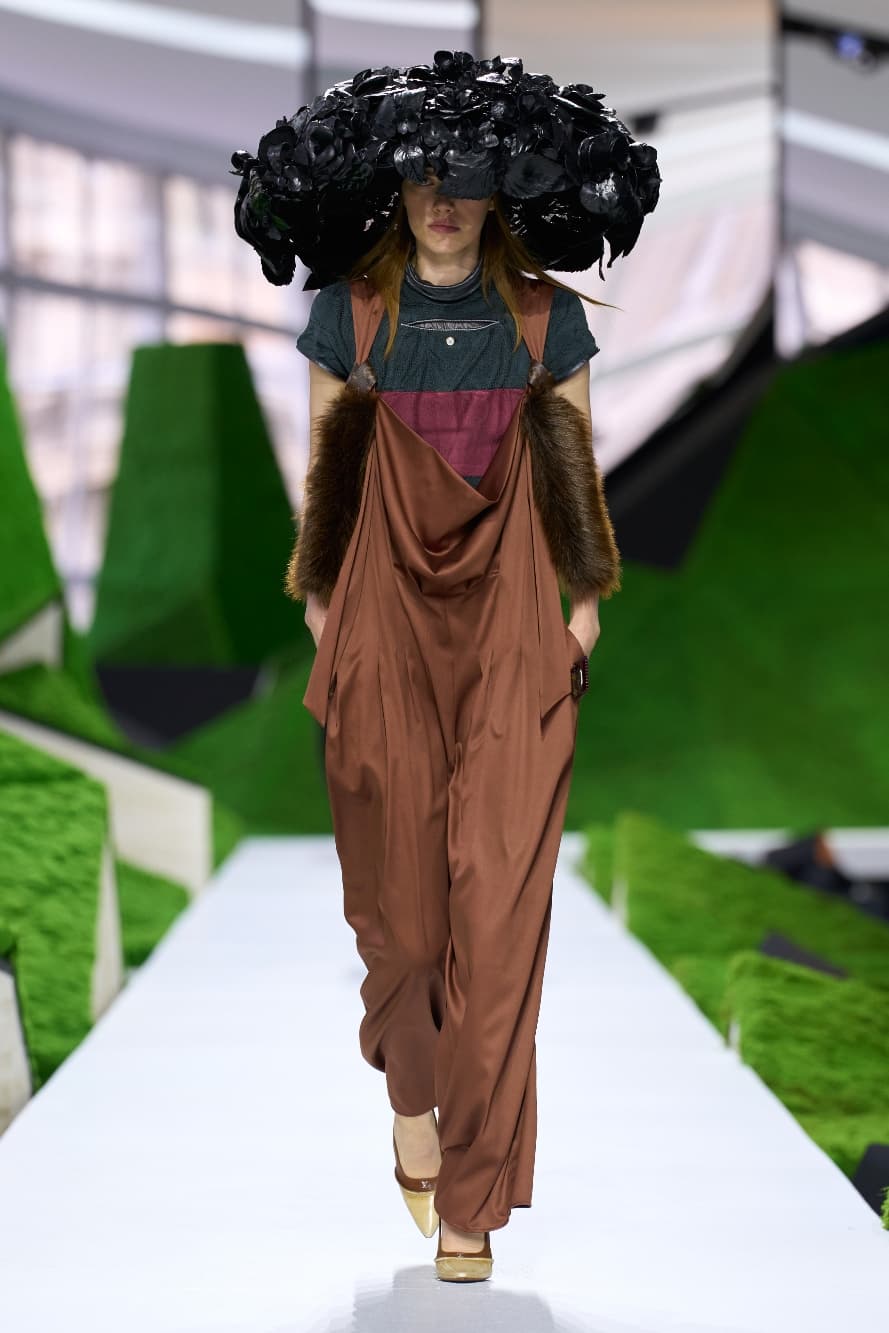
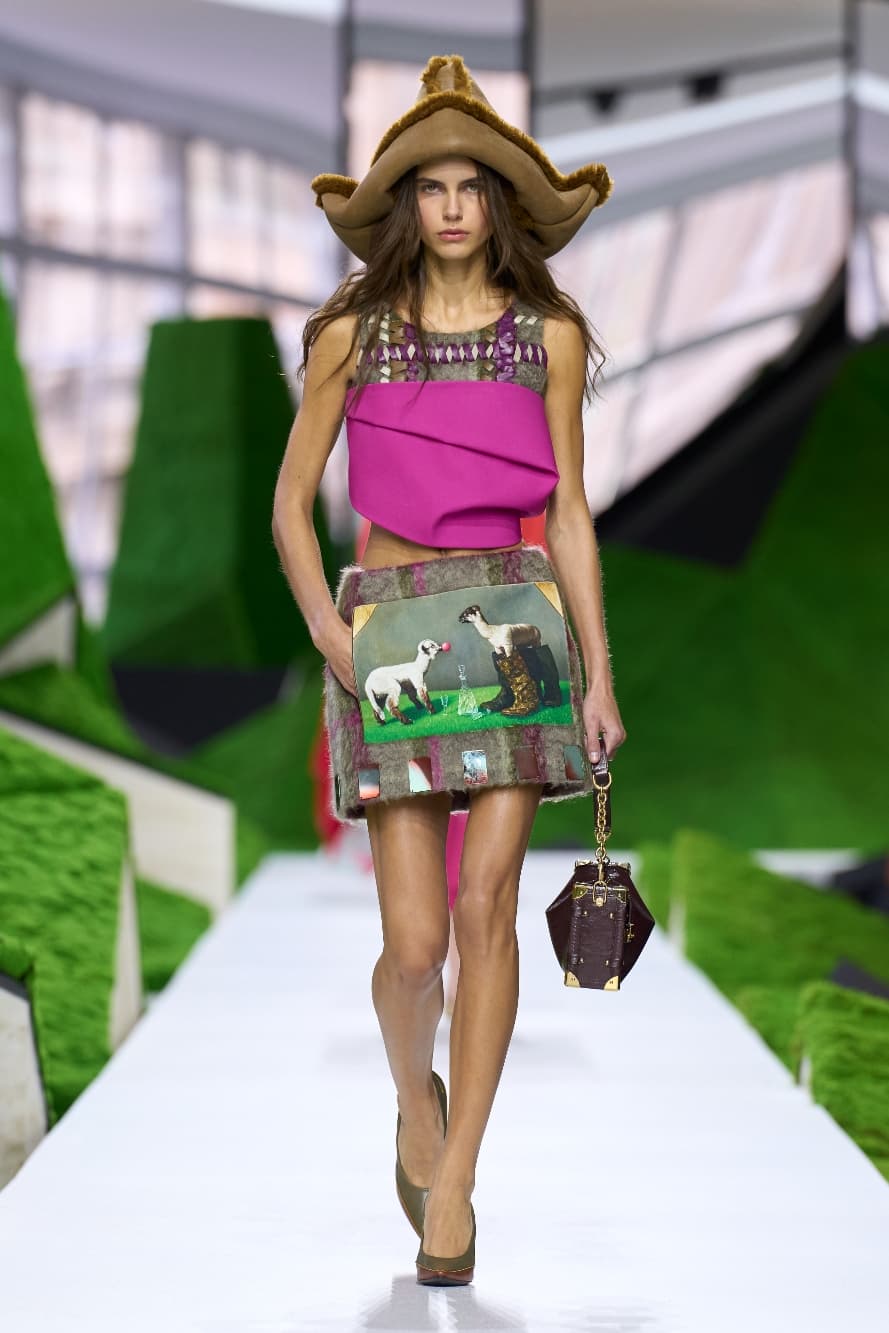
“Nature is the greatest fashion designer”. Louis Vuitton Fall/Winter 2026 collection saw the natural world as a source of inspiration with mountains, forests and plains distilled into the runway background while the clothing was shaped by endurance, protection and movement to survive the elements. The collection translates nature’s forces — wind, rain and sun — into silhouette and structure, as if garments themselves have evolved alongside the human body within the landscape.
This dialogue between nature and luxury is elevated through what might be described as “hyper-craft”: a convergence of artisanal savoir-faire and advanced technology. Three-dimensional printing, sculptural resins and treated leathers referenced nature with buttons resembling minerals, heels evoking antlers and textiles carrying the imagery of flora and fauna without direct imitation. In this way, nature becomes a muse not in its literal form, but as a sensorial and conceptual imprint, filtered through the ideation of Nicolas Ghesquière.
Dior Autumn/Winter ’26 RTW Show
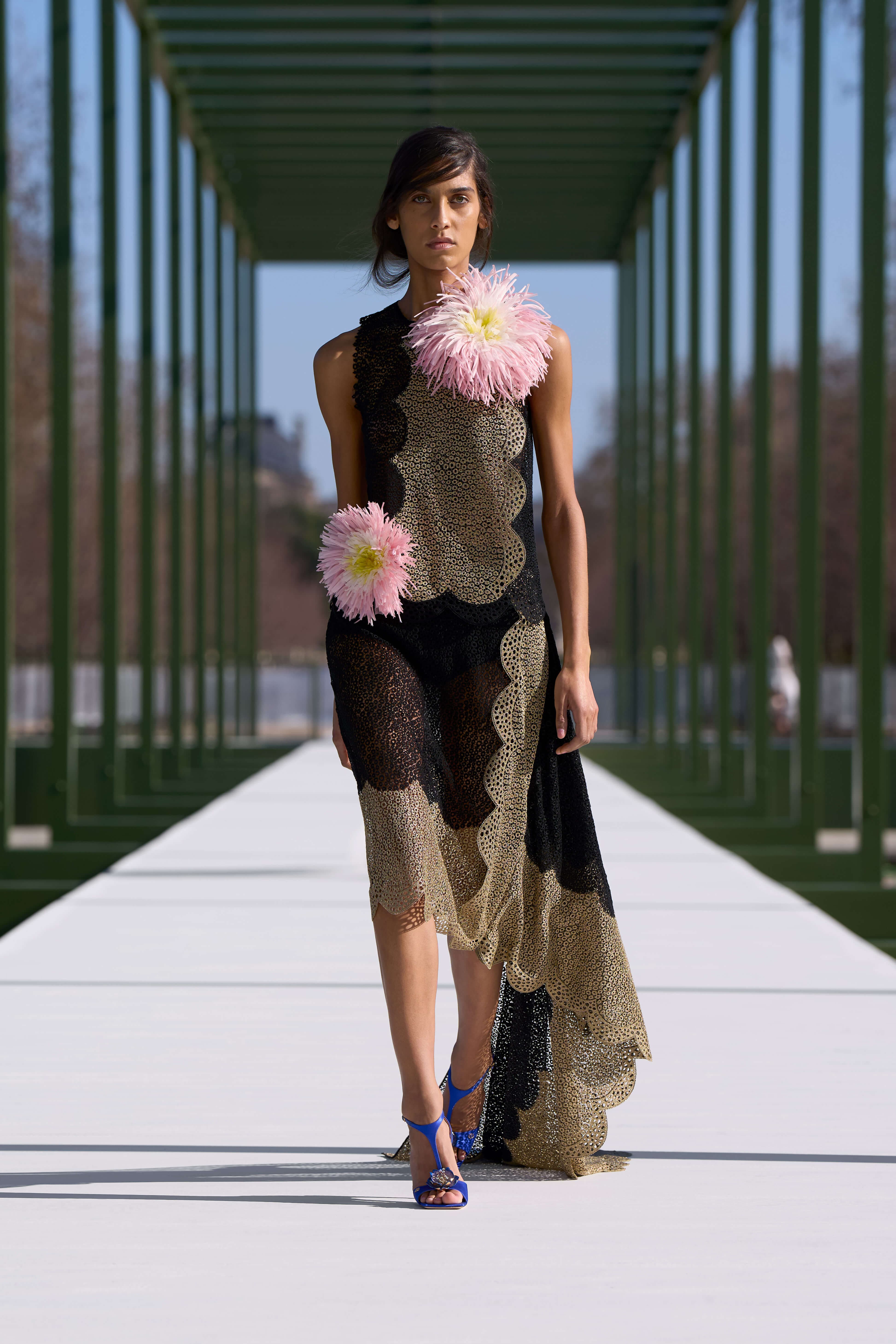
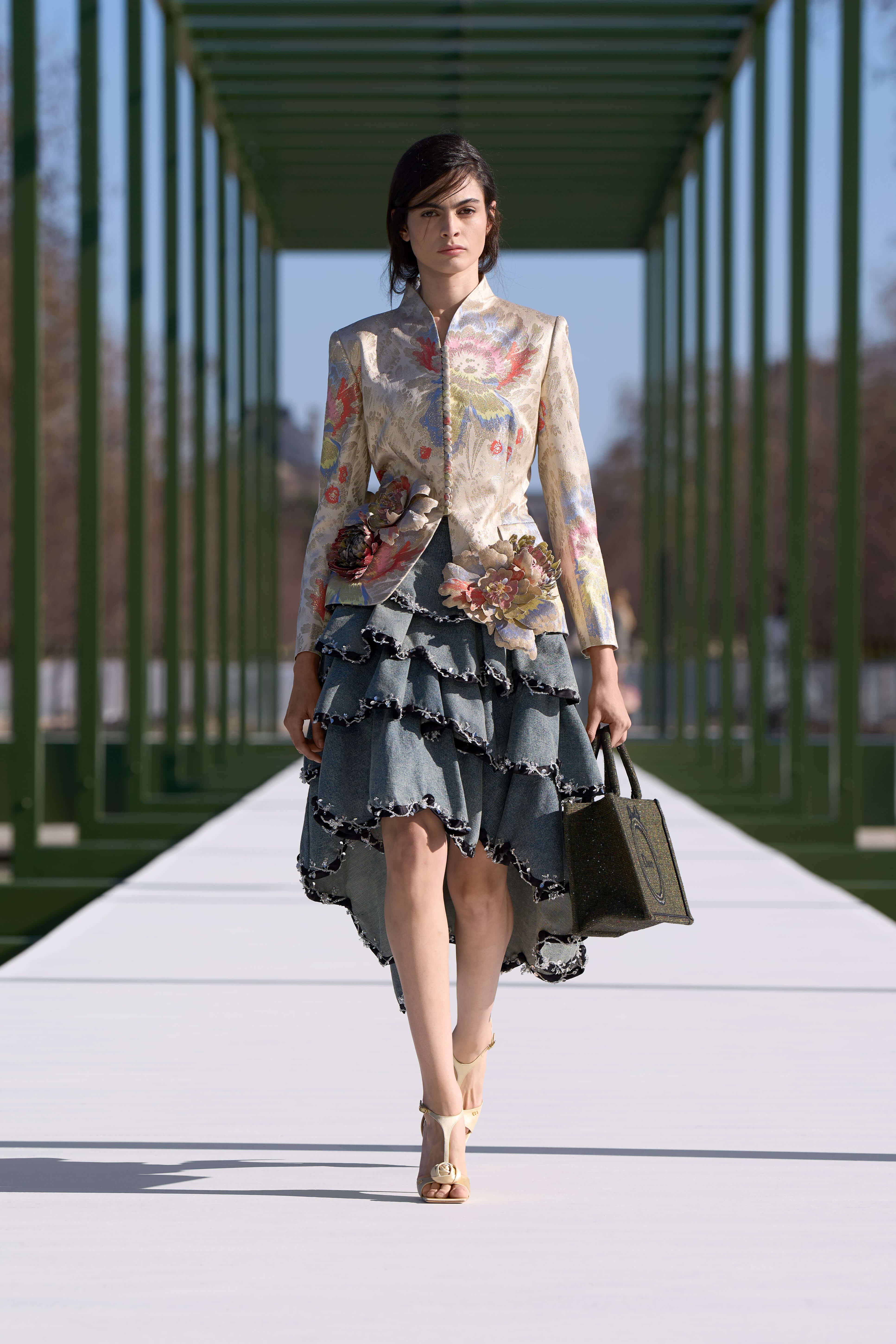
Set within the historic Jardin des Tuileries, Dior’s Autumn/Winter ’26 collection draws on the legacy of the French formal garden as a space of visibility and social display. Originally commissioned by Catherine de’ Medici and later redesigned under Louis XIV, the Tuileries reflects a highly structured vision of nature. This extended to its early dress codes, where visitors were required to wear habit décent — clothing aligned with their social rank.
The reference to these codes connects fashion directly to systems of order. Appearance is regulated, and dressing becomes a way of positioning oneself in public space. The garden operates in the same way: it is designed to be seen and to frame those within it. The show space — described as a “park within a park” — reinforces this idea of layering and control. Visitors, models and surroundings all become part of a composed image. This aligns with Charles Baudelaire’s observations of fleeting encounters in the city, where people register as passing visuals.
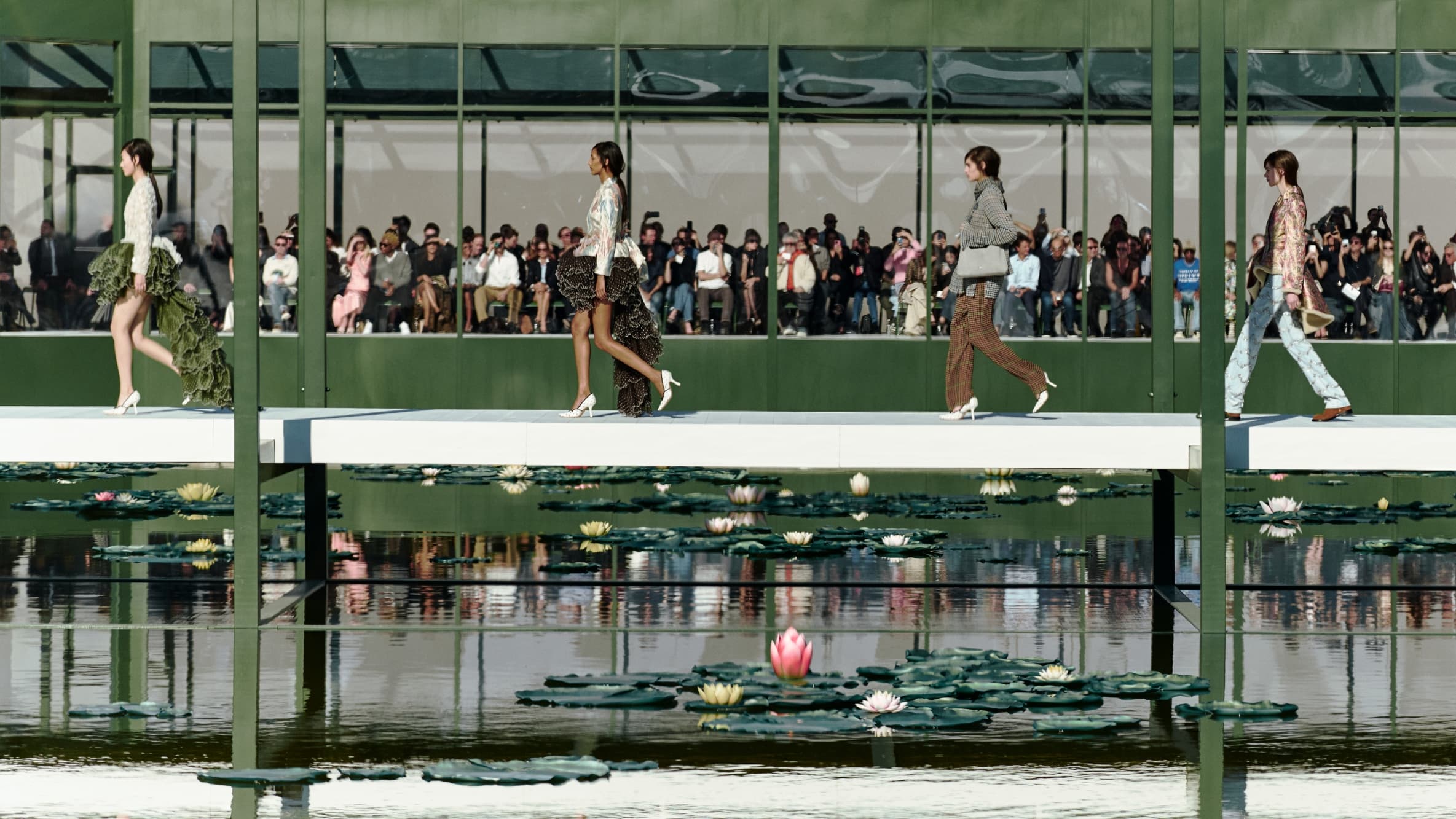
The act of dressing becomes tied to visibility. In dialogue with “The Well of Loneliness” and Baudelaire’s urban observations, Jonathan Anderson positions nature as part of a wider system of staging — where environment, clothing and people function together as a single, composed scene. This continued focus on nature reflects a longstanding house code — Christian Dior famously looked to gardens and flowers as central inspirations, embedding the natural world into the foundation of the brand.
Chanel Autumn/Winter ’26 RTW Show
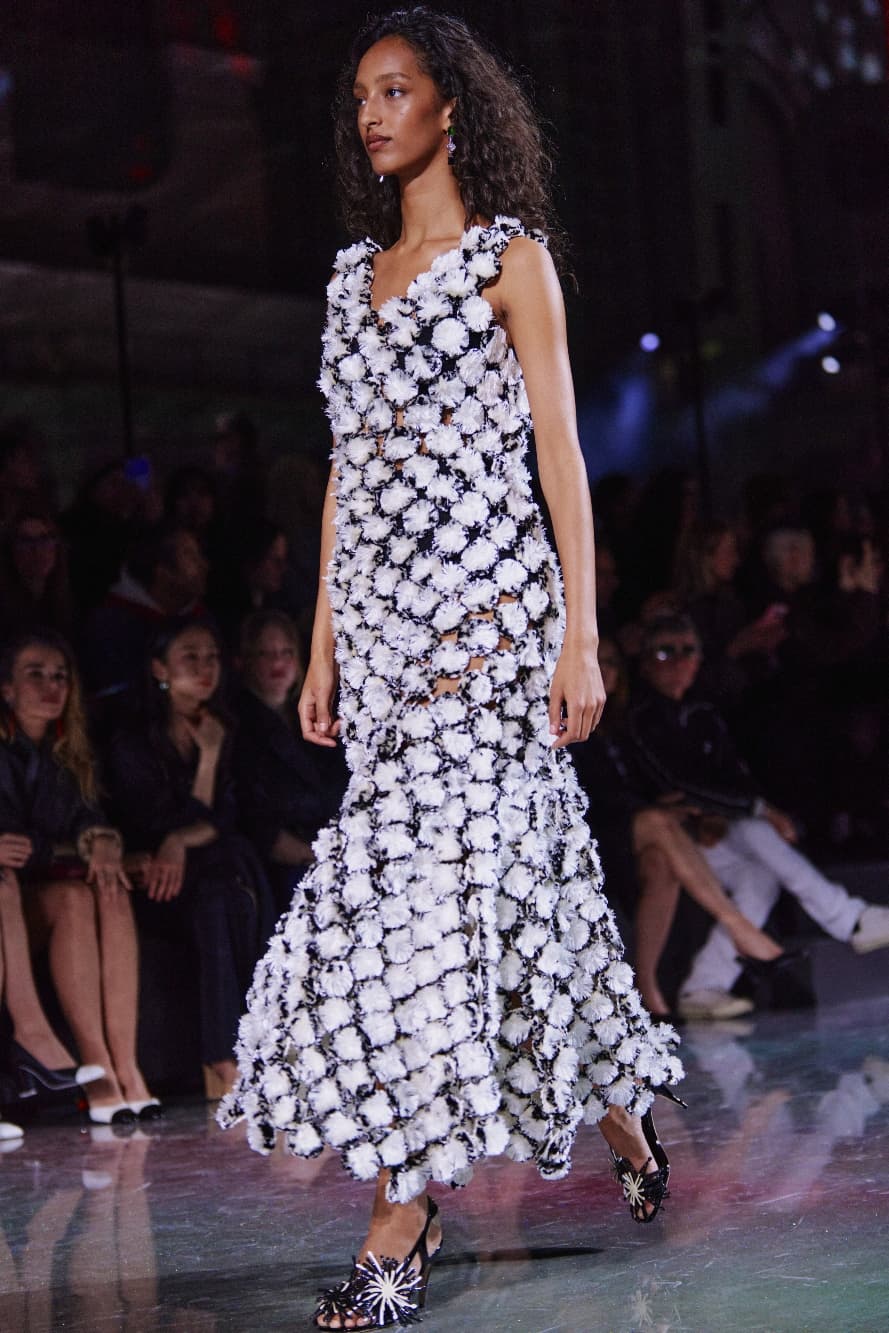
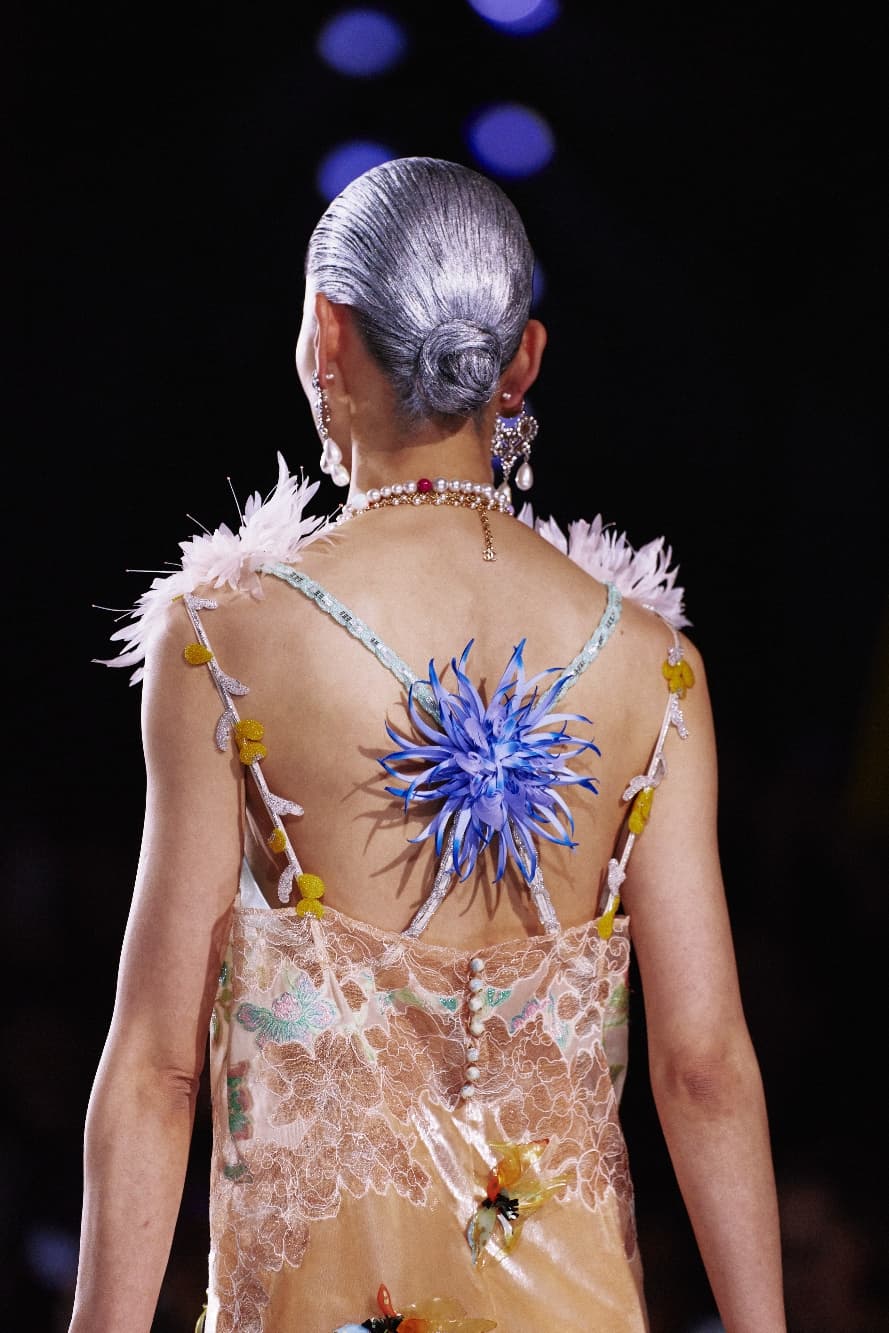
Chanel’s Autumn/Winter ’26 collection centres on the metaphor of the caterpillar and the butterfly, drawn directly from Chanel’s own words. It reflects two states of being: functional and decorative, grounded and expressive. This duality shapes the structure of the collection, where practical garments evolve into more fluid, embellished silhouettes. Under Matthieu Blazy, this transformation is expressed through material and construction. Traditional fabrics like tweed and bouclé are combined with synthetic fibres, silicone and iridescent finishes. The result is a shift from natural textures to surfaces that feel heightened and almost surreal, echoing the transition from caterpillar to butterfly.
The Chanel suit remains central, acting as a constant across these changes. It is reworked through lighter constructions, layered proportions and more fluid fabrics, allowing the pieces to transition between day and night. This reinforces the idea of adaptability — clothing that shifts depending on context, much like transformation in nature. As the collection progresses, there is a clear movement towards lightness and luminosity. The papillon de nuit (night butterfly) captures this final stage. Accessories extend this idea further. Iridescent finishes, enamel, resin and treated natural materials create surfaces that are clearly engineered to resemble nature.
High Jewellery:
Boucheron Animaux de Collection – Guardians in Gold
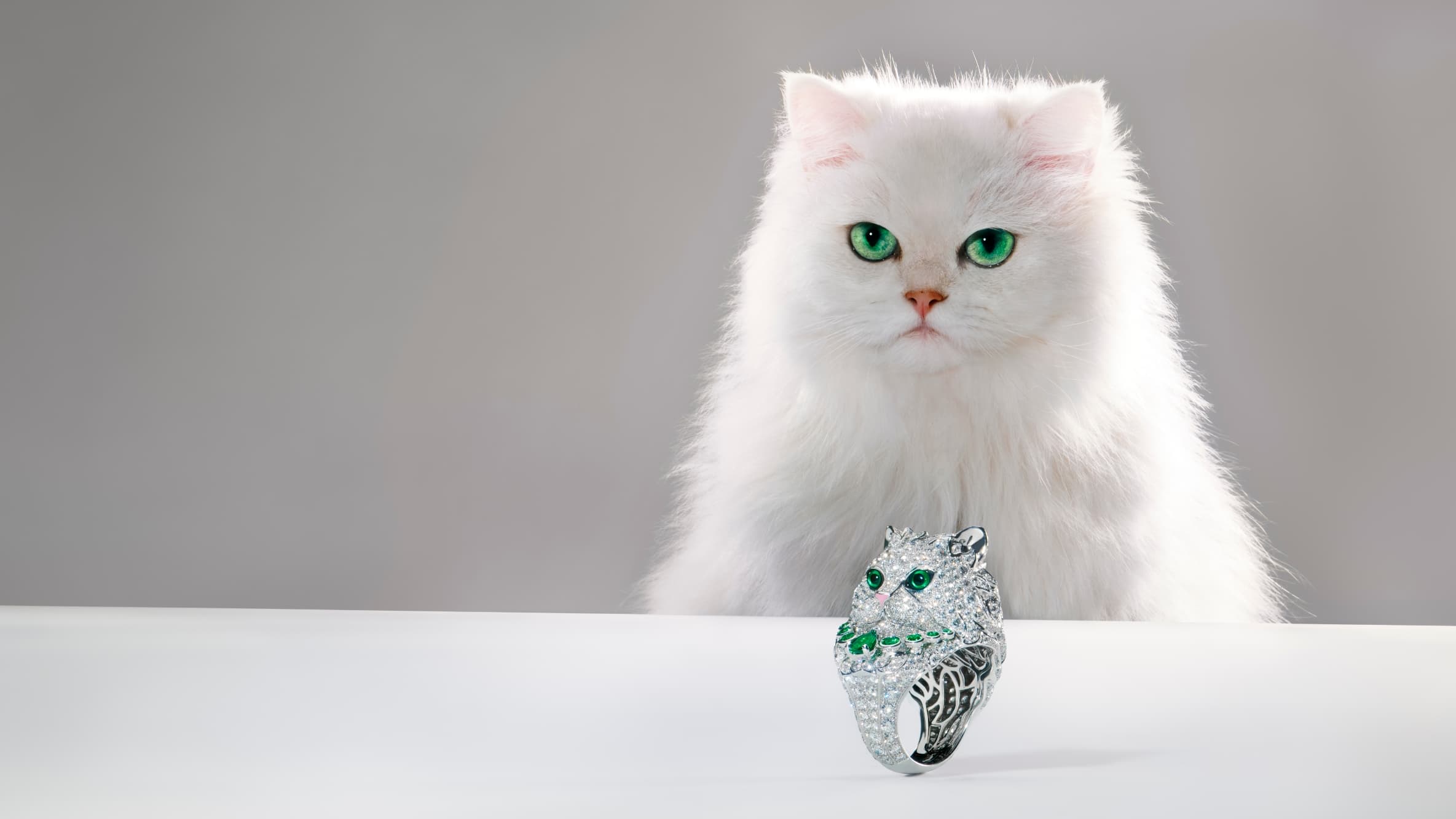
At Boucheron, nature is translated directly into jewellery through its long-running bestiary, which was first established at its workshops in 1866. In the Animaux de Collection, this process is visible down to the finest detail. Their savoir-faire chisels, polishes and paves with such precision that each animal becomes a truer-than-life three-dimensional sculpture. Fur is carved into gold, feathers are constructed with diamonds and eyes are set using stones such as sapphire, emerald and ruby. Each animal is built in three dimensions, allowing it to appear mid-movement — perched, coiled or in flight — depending on how it is worn.
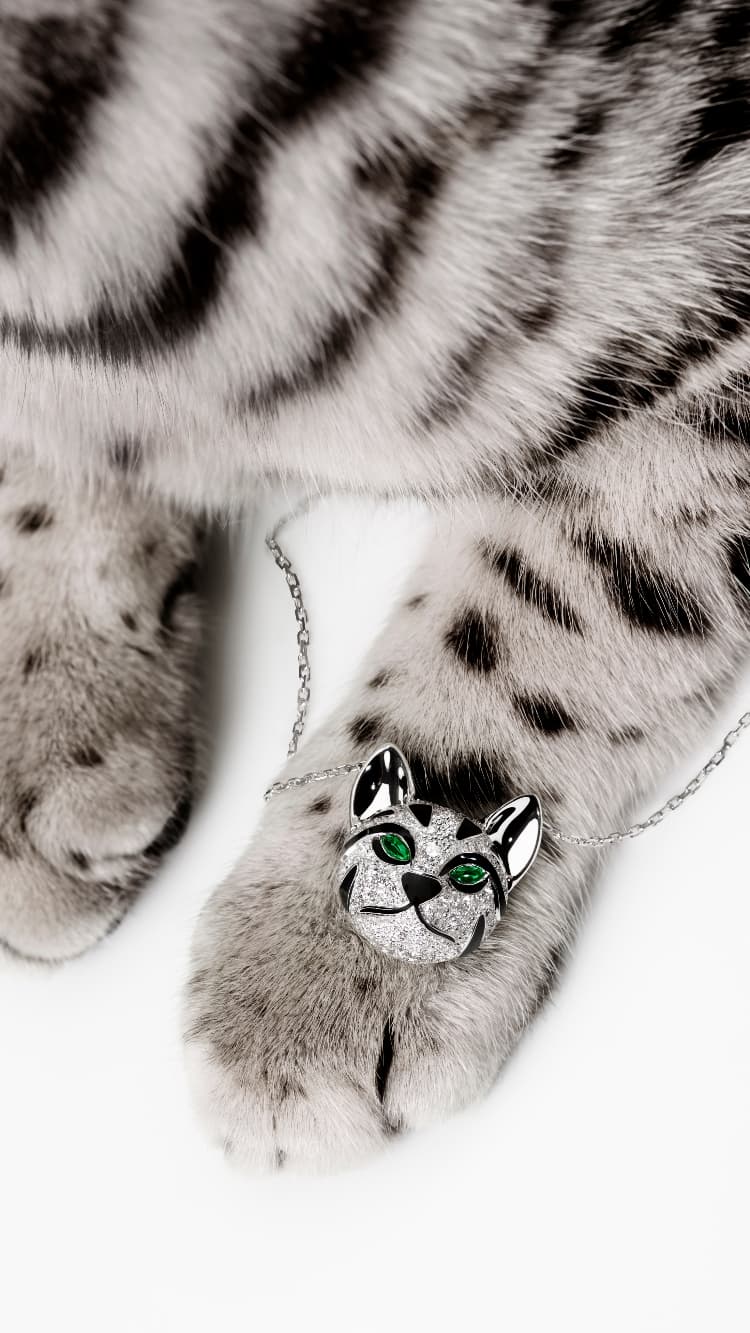
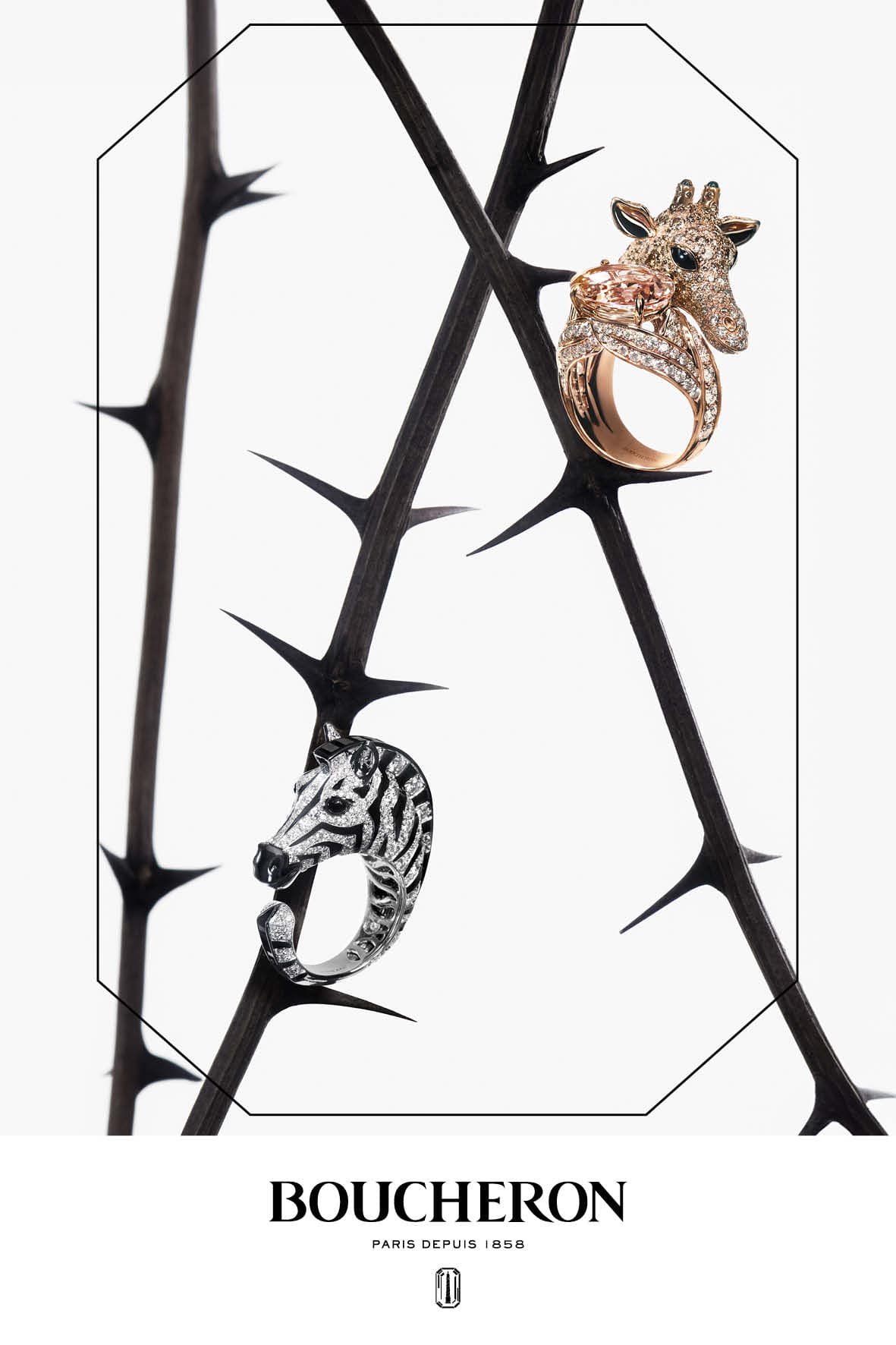
Specific animals anchor the collection. The hummingbird is positioned around a central morganite, the leopard cat is defined by its diamond coat and green gemstone eyes and the panda holds a piece of bamboo rendered in tourmaline. The house’s recurring figure — Wladimir the Cat — continues to appear as a recognisable motif, linking past and present designs.
The idea of the adorning jewellery as a totem shapes the collection. Each piece is also assigned a set of traits — protection, strength, softness or independence — these traits guide how it is presented and chosen by the wearer. Clients choose animals based on traits they relate to, turning the jewellery into something personal and character-driven.
Damiani Ode all’Italia
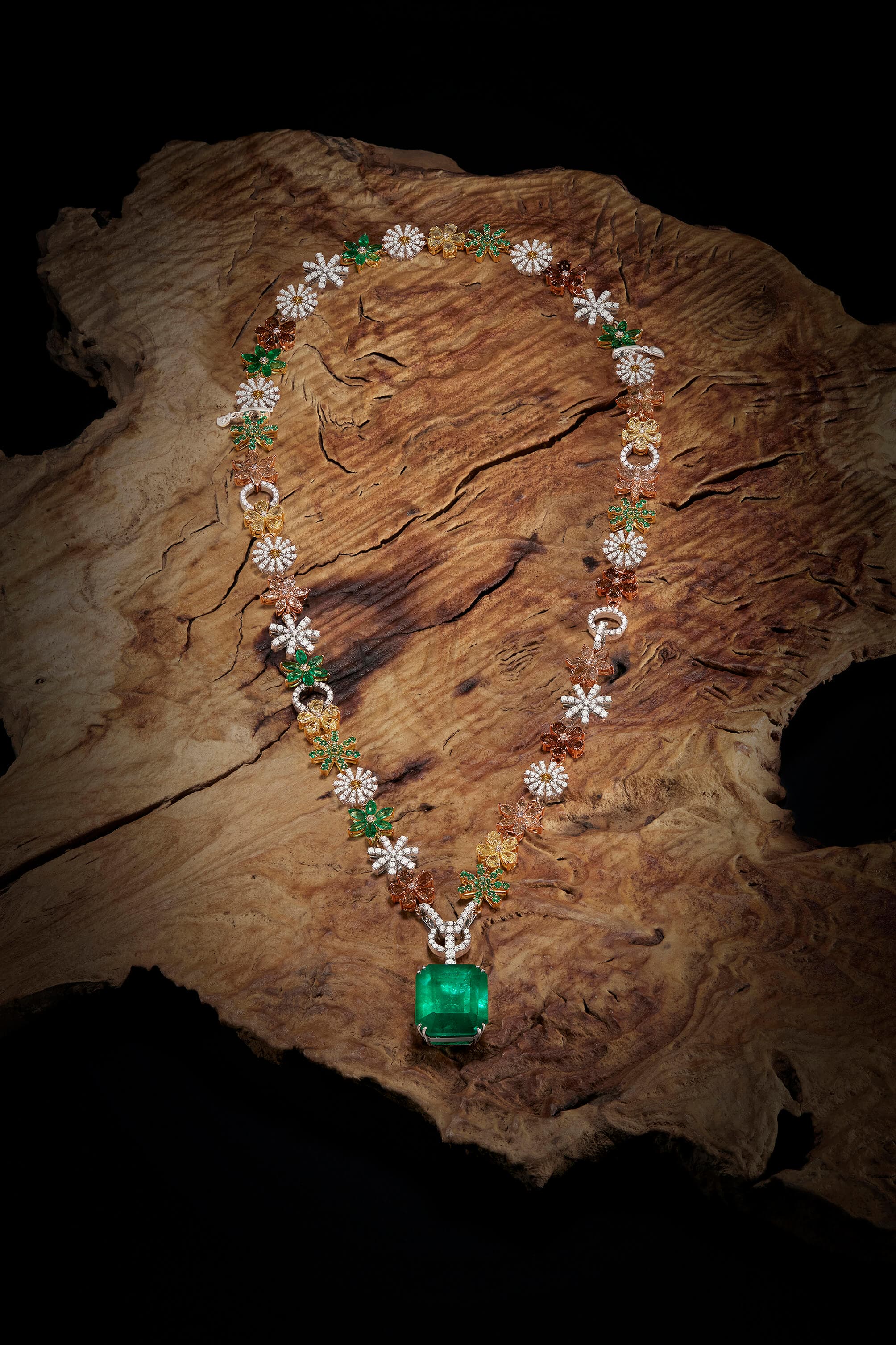
Damiani’s Ode all’Italia High Jewellery collection sees nature interpreted at the scale of landscape where the natural environment — alongside architecture — is translated into colour, composition and material. Structured in three parts, the collection maps different aspects of Italy. “Lights of the Sea” focuses on coastal settings, using gemstones such as Paraiba tourmalines, turquoise and pink sapphires to reflect the shifting tones of the Mediterranean. The emphasis is on light and colour variation, drawn directly from the sea.
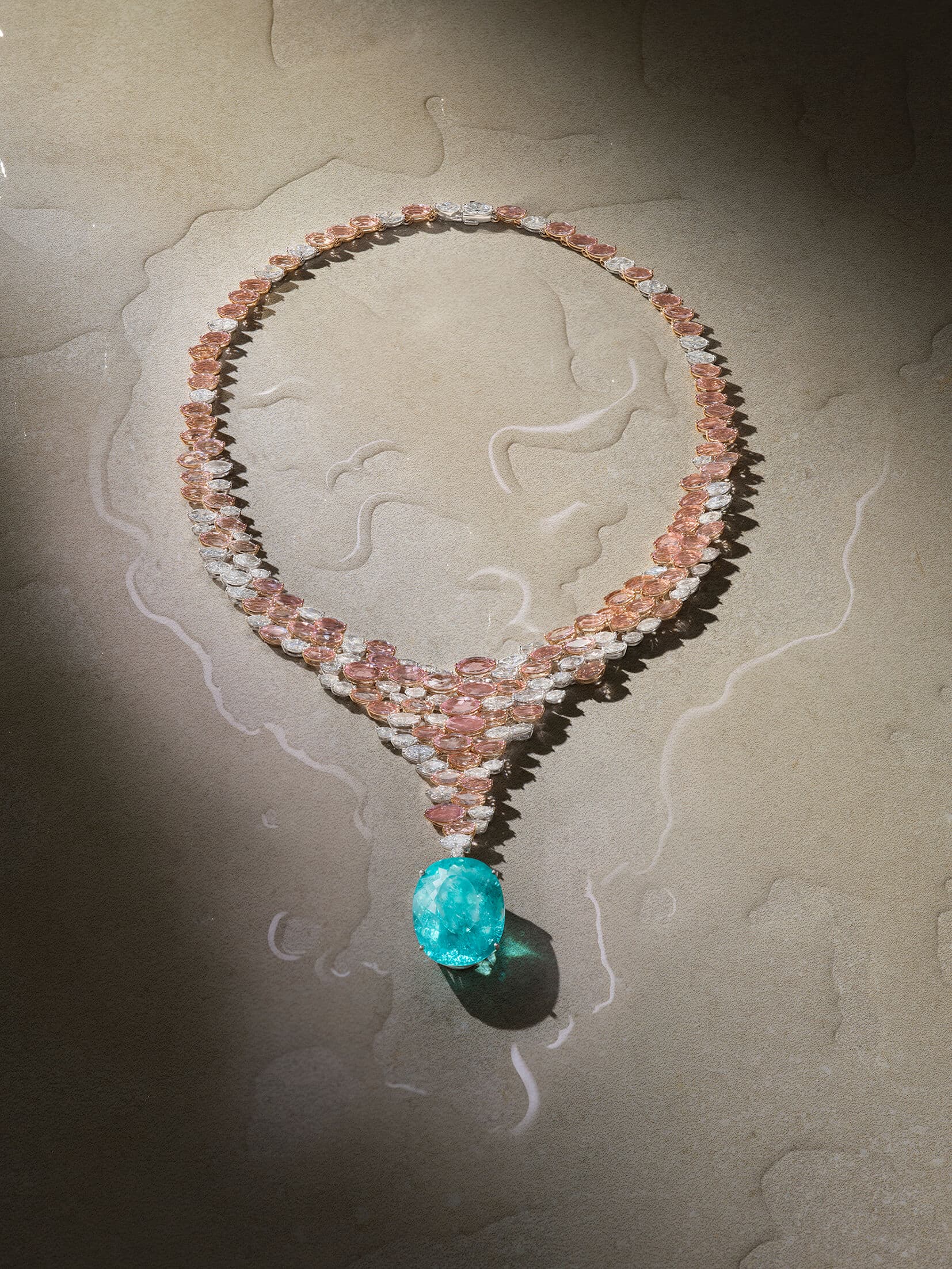
Landscapes of the Soul turns to inland scenery. Hills, forests, mountains and volcanic terrain are represented through stones selected for their natural hues — emeralds for greenery, alexandrites for tonal shifts, darker stones for water and rock. Each element corresponds to a specific feature of the landscape, translating geography into gemstones.
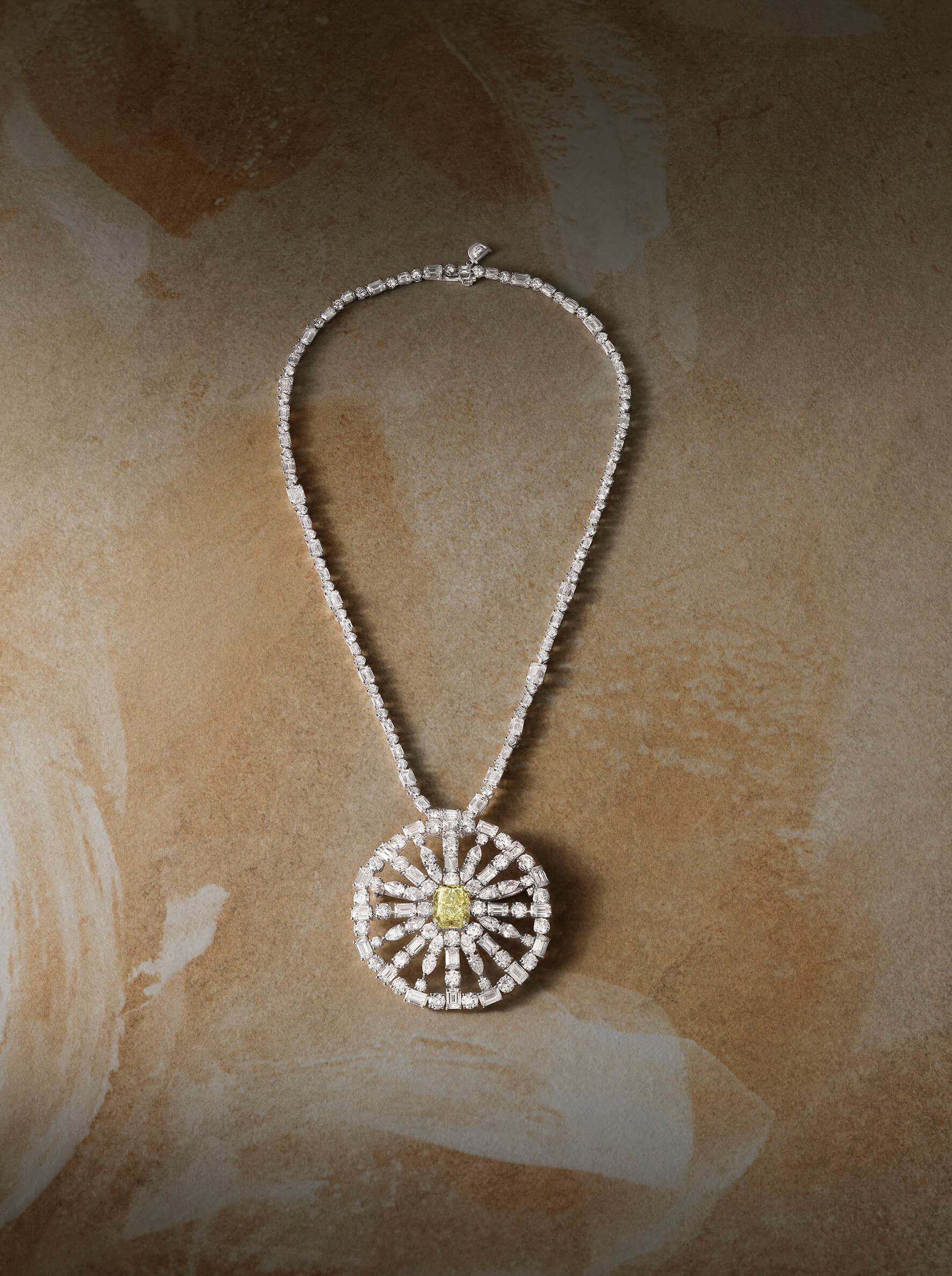
In “Dwellings of Time”, the focus shifts to cities, where natural and built environments intersect. Architectural forms are expressed through structured settings and geometric compositions, with coloured stones used to reference materials, light and surface. Across the collection, natural landscapes are not depicted literally but broken down into their visual components — colour, light and structure — and reconstructed through gemstones and design.
Fine Jewellery
Chaumet Bee deChaumet2026 Novelties
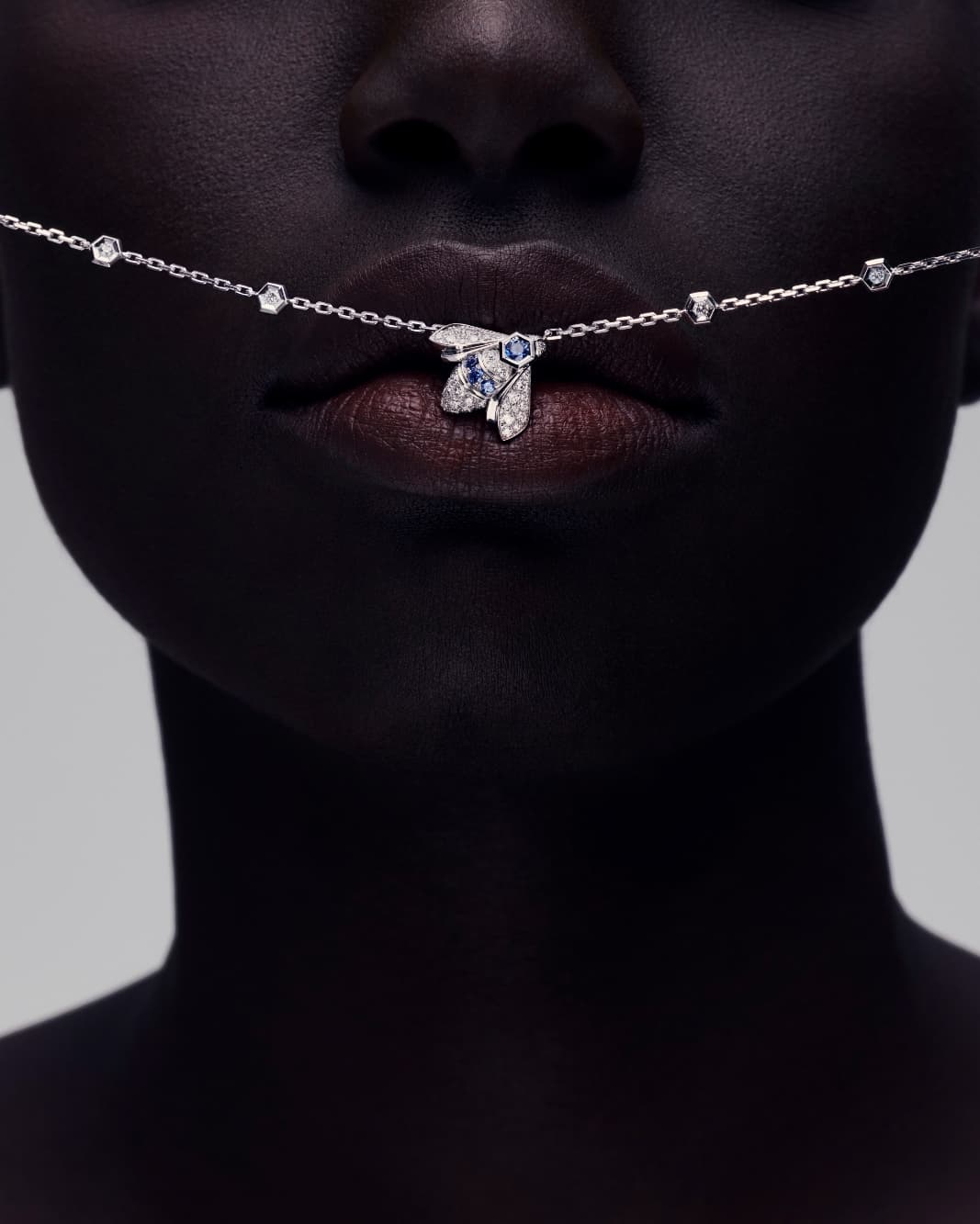
At Chaumet, nature is distilled into a single, recognisable motif: the bee. In the Bee de Chaumet collection, this emblem — along with the honeycomb — provides the conceptual basis for the designs. The 2026 pieces develop these motifs through variations in scale, material and construction. Honeycomb patterns are repeated in mirror-polished gold and pavé-set diamonds, forming rings, bangles and earrings that emphasise symmetry and continuity. The hive’s geometric structure is preserved and then extended across each piece’s surface to create volume and coverage. The bee itself appears in different sizes and settings — set with diamonds, sapphires, or rendered in contrasting golds — while remaining clearly identifiable. These variations allow the motif to shift across pendants, rings and earrings.
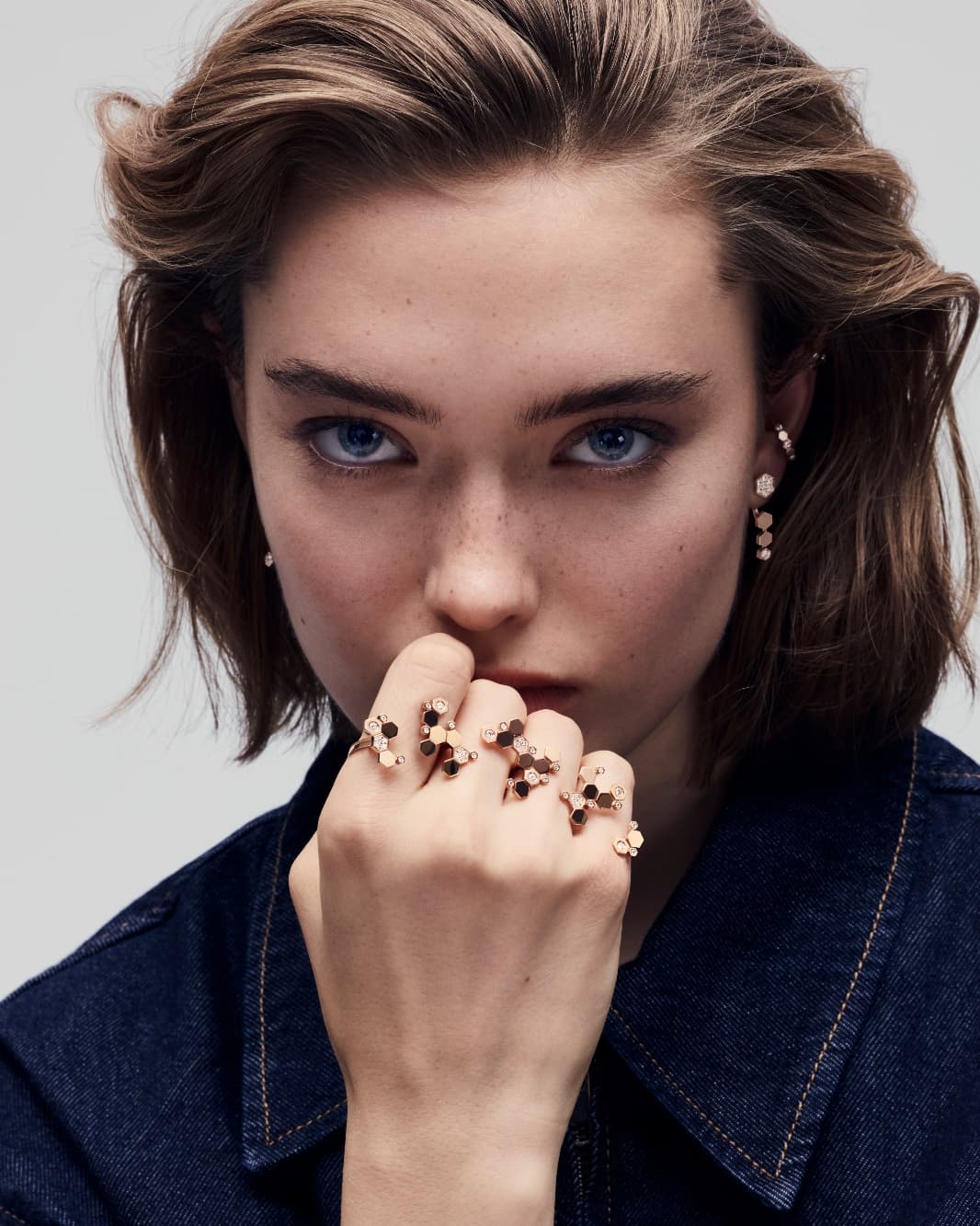
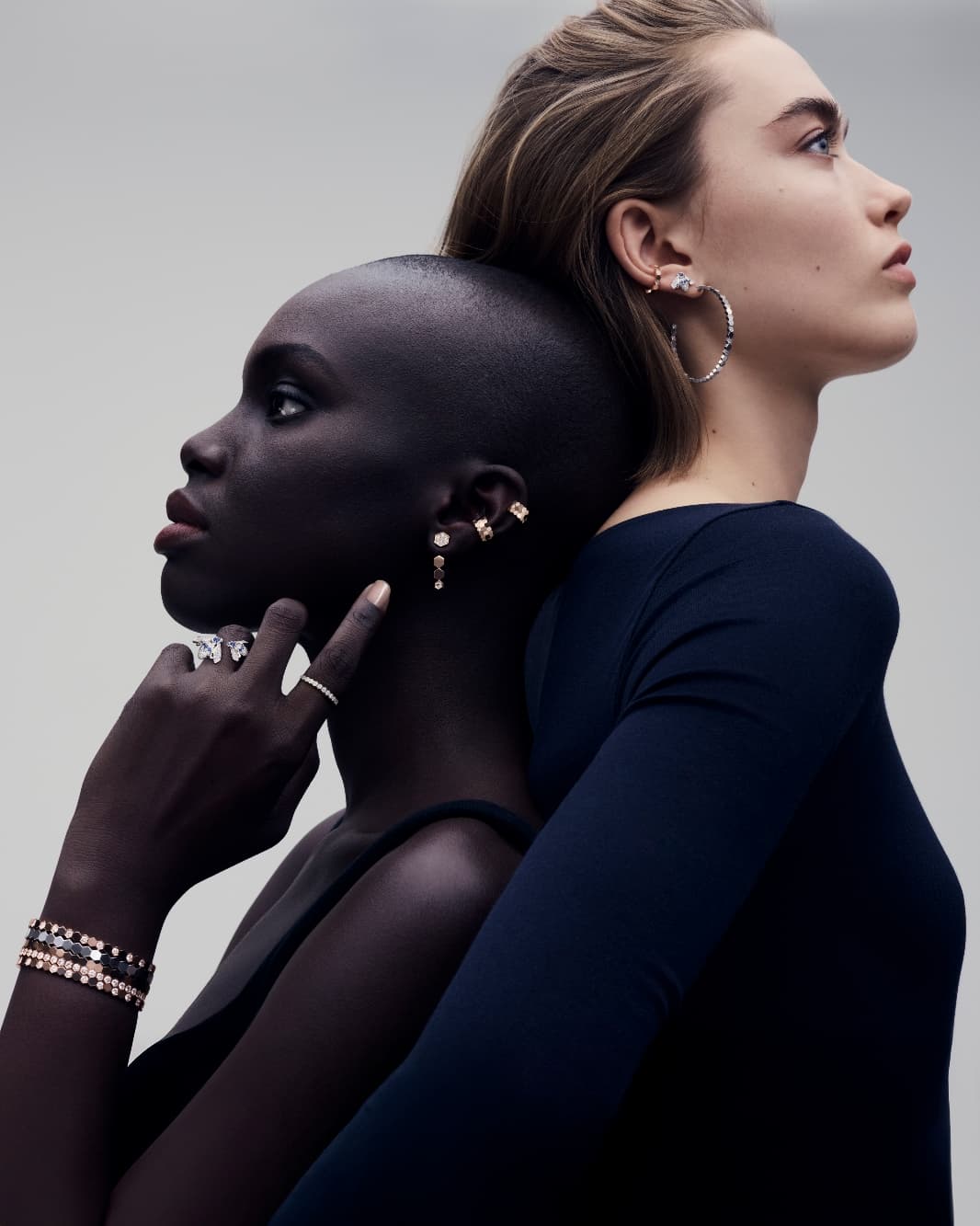
Material contrast plays a key role. Polished gold surfaces are paired with pavé settings and bezel-set stones to control how light moves across each piece. This reflects the way natural structures — such as honeycomb — interact with light, but is executed through precise stone setting and finishing techniques. The collection also builds on repetition and modularity. Honeycomb units and bee motifs can be layered, stacked or worn in combination, creating multiple configurations from a single natural reference.
Van Cleef & Arpels Eternal Blooms
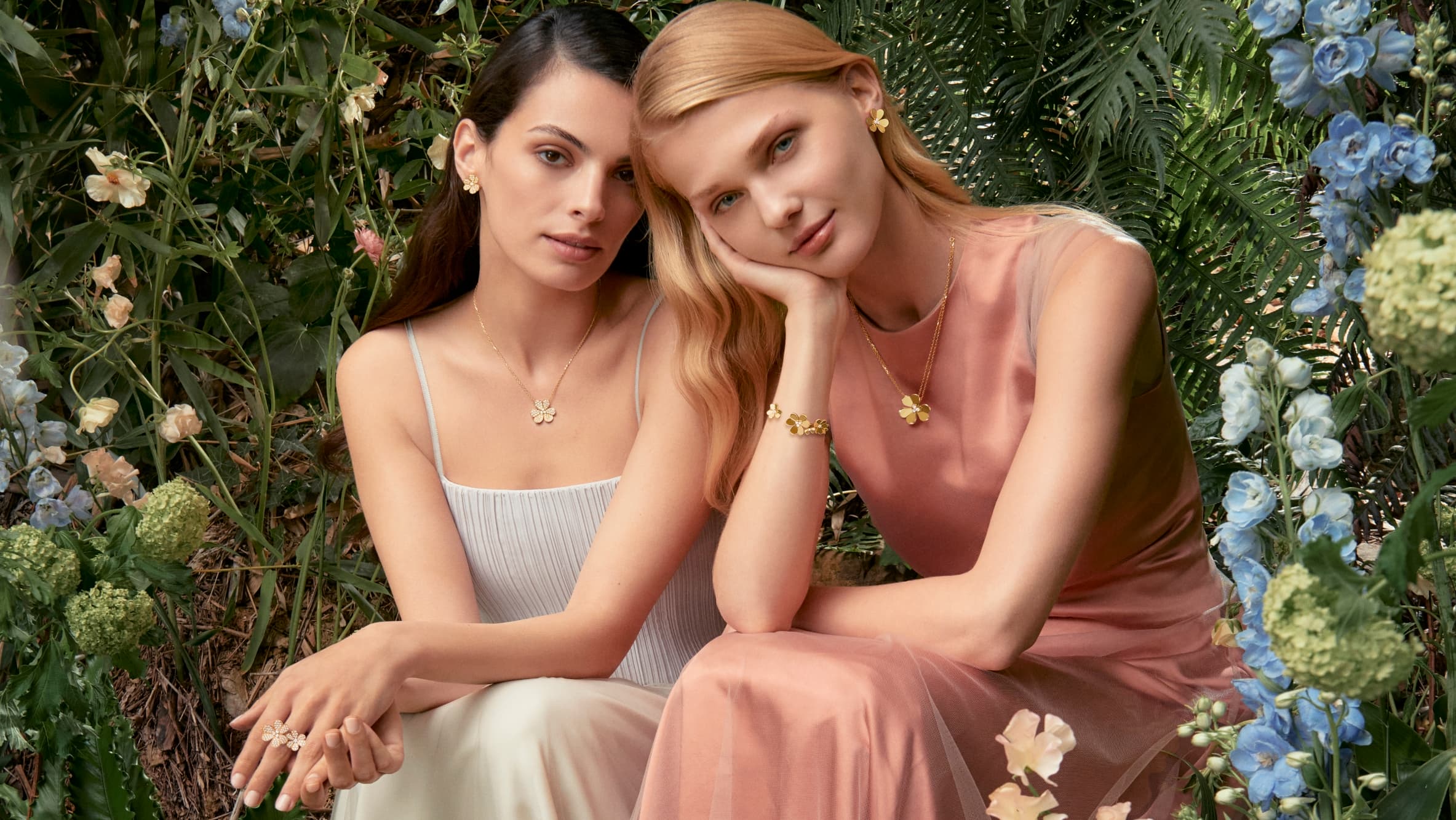
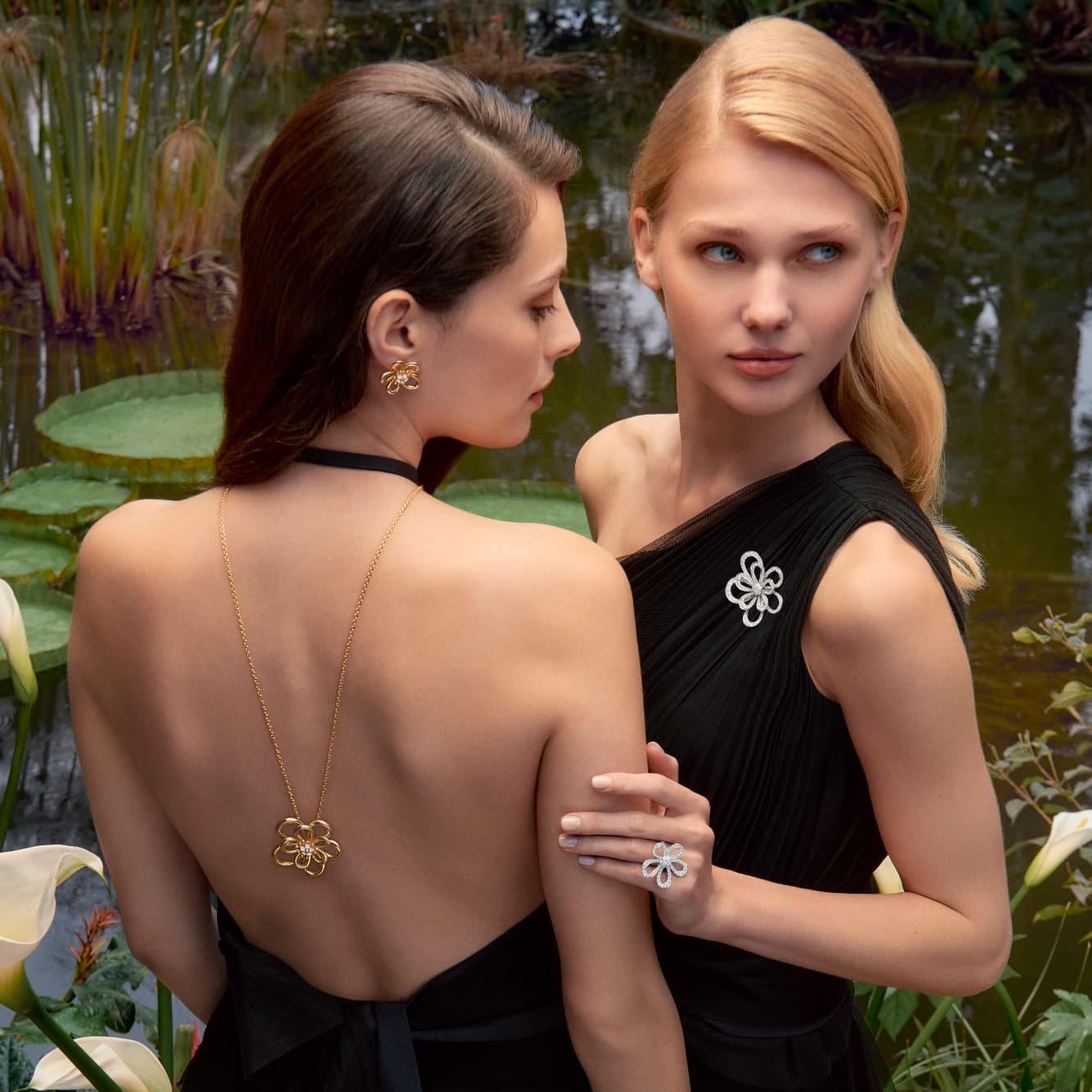
For Van Cleef & Arpels, flora has been a consistent source of design since its founding. In Flowerlace, the outline of a flower is reduced to an openwork corolla, constructed in yellow gold and diamonds. Petals are curved to create volume, while the centre combines gold beads and diamonds in slightly asymmetrical arrangements. Techniques such as lost-wax casting and hand polishing are used to build each element, allowing the piece to hold its shape while maintaining lightness. The design also draws on the House’s earlier floral pieces, particularly the Silhouette clips from the 1930s. These introduced a more graphic treatment of flowers, using negative space and fine gold lines. Flowerlace continues this approach, linking natural forms with couture-inspired construction.
Fleurs d’Hawaï shifts the focus to colour. Each piece is built around a flower structure, with petals formed from pear-cut stones such as citrine, amethyst, rhodolite, aquamarine and peridot. These stones are selected and matched for consistency in hue, then arranged to reflect the tonal variation found in a garden. The openwork settings allow light to pass through, intensifying colour and creating variation across the surface. Across both collections, the structure of the flowers — petals, pistils, symmetry and variation — determines how each piece is built. This aligns with Van Cleef & Arpels’ broader approach, where natural forms are studied, then translated into jewellery through gemstone selection, setting and construction.
For more on the latest in luxury fashion, style and beauty reads,click here.