
This content contains affiliate links. When you buy through these links, we may earn an affiliate commission.
Book adaptations have built-in name recognition and fan bases. So, adapting a popular book into a movie or TV series might seem like an easy hit. However, reality is often different, with ratings that don’t meet streaming services’ expectations, plus high production costs, especially for SFF movies and shows.
Netflix doesn’t release its viewing data, and streaming services aren’t transparent about their processes in general. So, a lot of this is my opinion and speculation. Film and TV rights contracts are exclusive and can last years, even after cancellation. Despite demand and even petitions from fans, most series don’t get picked up by a new network or streamer. Unexpected factors, like pandemics, strikes, and accusations can also contribute to cancellations.
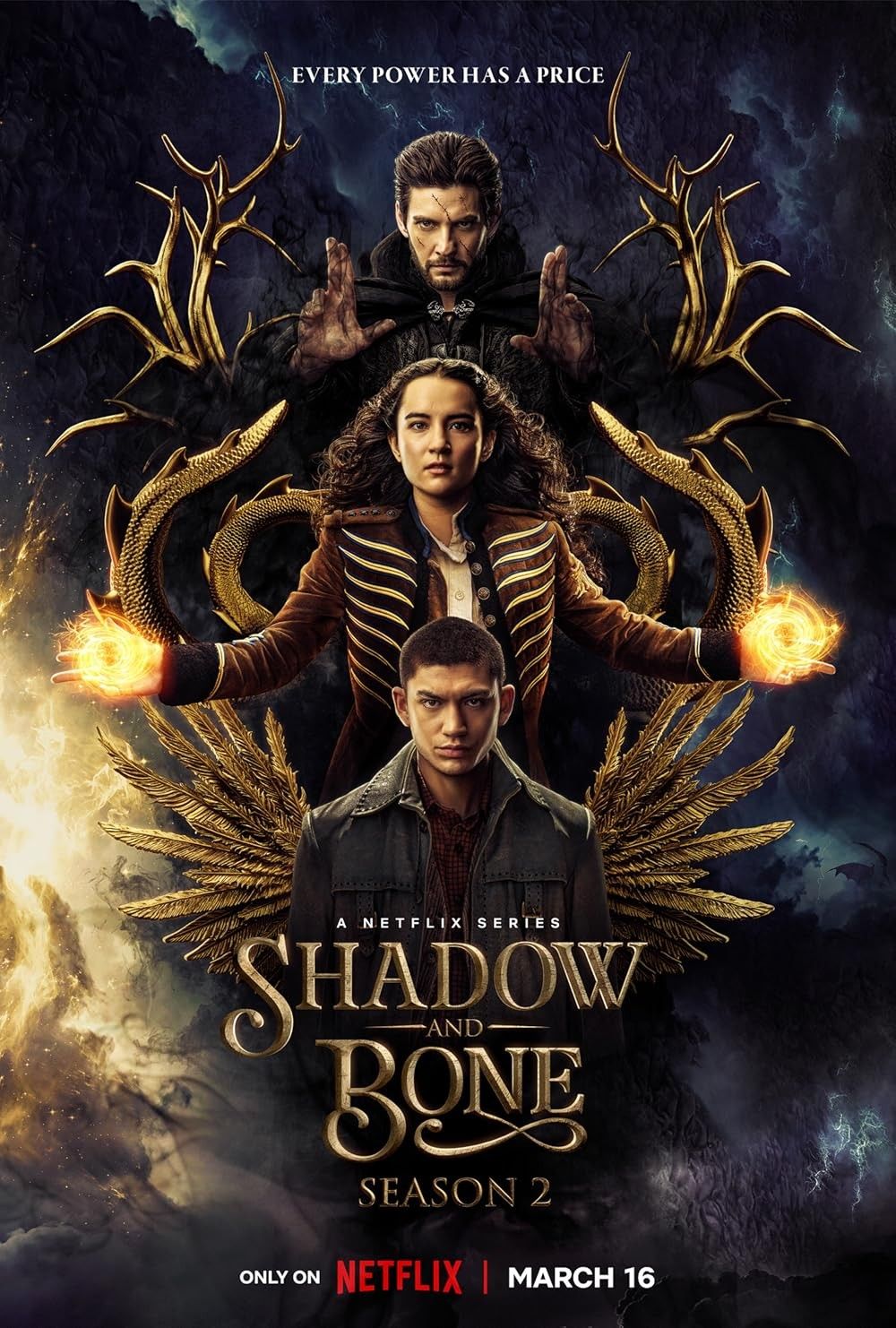
For instance, Netflix canceled Shadow and Bone and its planned Six of Crows spin-off in November 2023. The recent SAG-AFTRA strike and high production costs were possible factors. Fans were frustrated because Season 2 created cliffhangers that differed from the books and brought in characters from the related Six of Crows book series by author Leigh Bardugo. Because the Netflix series already combined both book series, it introduced too many characters and settings at the same time.
The Shadow and Bone cancellation was controversial, but a part of Netflix’s larger pattern of canceling shows quickly. Overall, Netflix tends to cancel shows that aren’t immediately extremely popular—and more quickly than other streamers. If a show doesn’t stay in the top 10 within its first four weeks, it might be canceled. Netflix also tends to keep the rights to its original shows for at least two years, freezing out other streamers. Many subscribers don’t get a chance to start shows at this rate—let alone finish them.
The Headline
From Book Riot’s editorial desk, find insights, opinions, and deep dives written by experts and tailored for the consummate Book Nerd who wants to know even more about all things books.
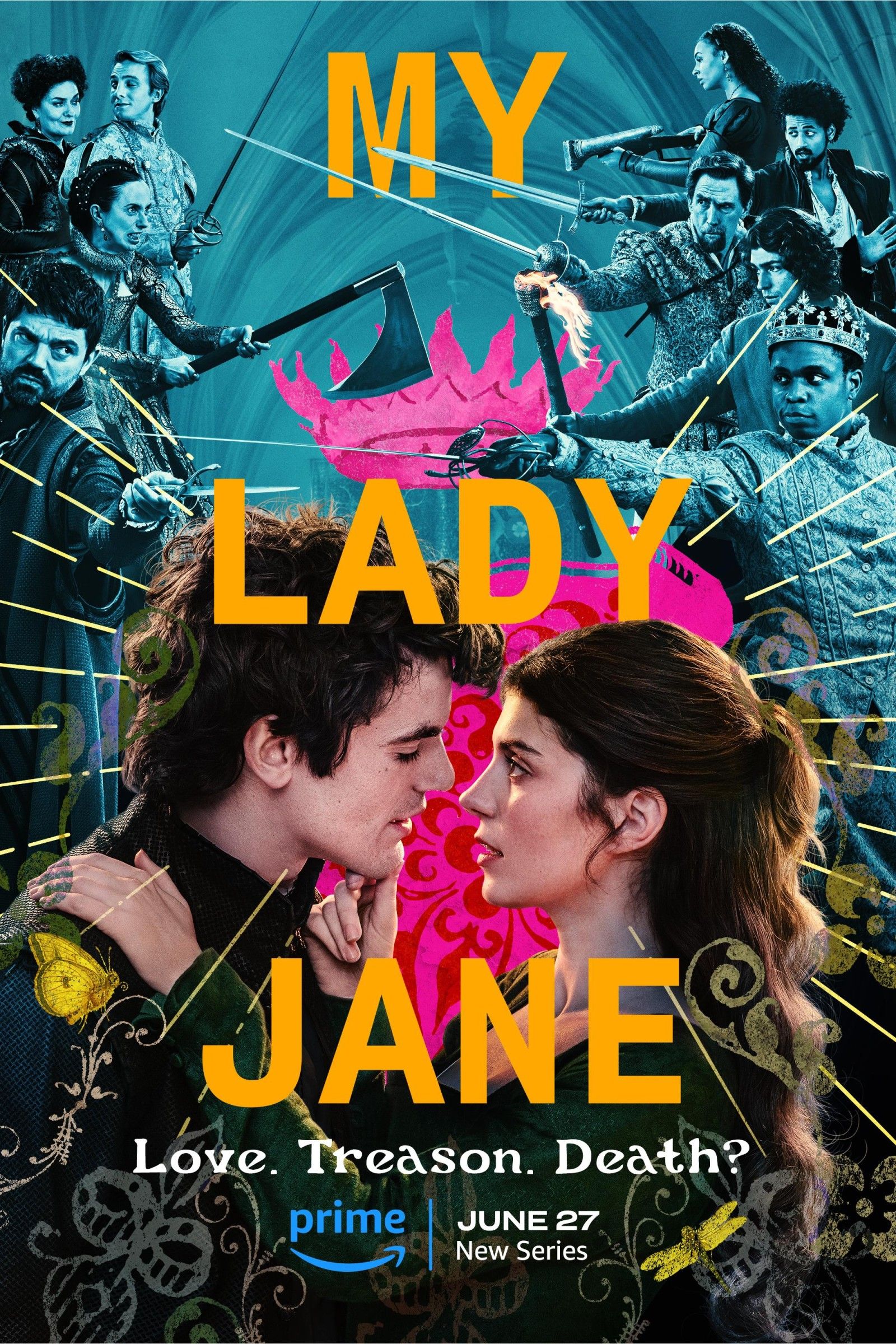
Netflix isn’t the only streaming service that often cancels series before viewers can decide if they like them, or even finish story arcs. My Lady Jane was canceled in 2024 after one season on Amazon Prime. The show was based on half of the first book of Cynthia Hand, Jodi Meadows, and Brodi Ashton’s Lady Janies series. Actor Edward Bluemel speculated that the Summer Olympics hurt its ratings. The other books have vastly different settings and characters with the same irreverent blend of fantasy, romance, and humor. My Plain Jane, for example, is a parody of Jane Eyre. The cancellation was a missed opportunity, both to finish Jane’s story and to adapt the other books as an anthology series with different historical eras and casts.
I suspect the timing of the show and its advertising may have contributed to low viewership. The official trailer for My Lady Jane was released in May 2024, only about a month before the show premiered. Then, the cancellation was announced in August—about a month and a half after the show’s premiere.
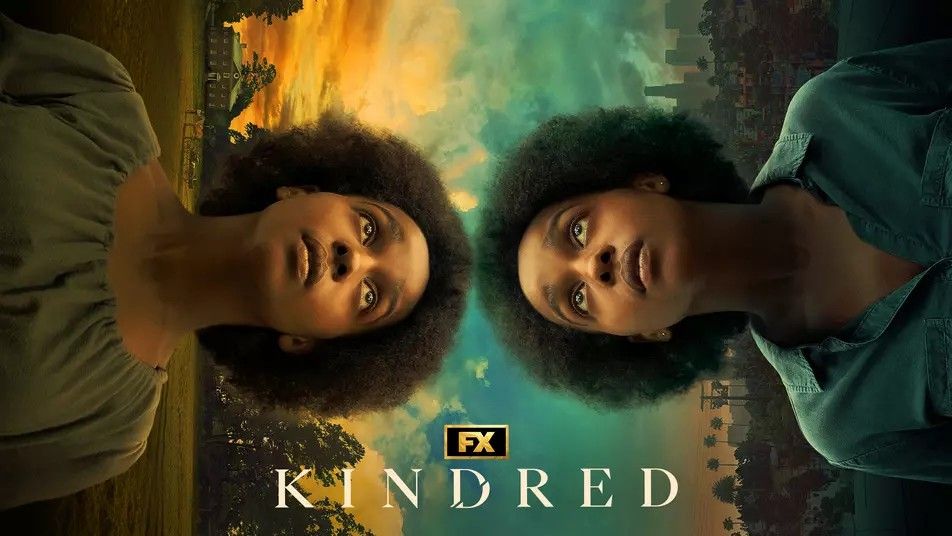
Kindred was another adaptation that was canceled too soon and never given a chance. FX canceled the show, based on the 1979 novel by Octavia Butler, after one season on Hulu. Black Cake, adapted from a novel by Charmaine Wilkerson, was also canceled after only one season. Both shows had the potential to expand the storylines past the books.
Of all the books that are optioned, or picked up by, a network, studio, or streaming service, many never get released as movies or TV series. If you follow the news about film and TV deals casually, you might assume each deal will lead to a completed project. Being optioned, in development (scripted and cast), and in production (filming) are all distinct stages of the adaptation process. Similarly, a network or streaming service may shelve a show by deciding never to move forward with producing and releasing it. This is different from canceling a show that has already premiered.
Take Hulu’s planned series of A Court of Thorns and Roses. It was shelved in early 2025, but author Sarah J. Mass may still sell it to another network. People might casually say it was canceled, but Hulu shelved it, rather than canceling a show that had already premiered.
Because parts of the adaptation process may fall through, adaptations can take many years. An example of this is the movie adaptation of Children of Blood and Bone, which is coming in 2027. It was first optioned in 2017, back when author Tomi Adeyemi signed her book deal. Meanwhile, Tracy Deonn’s Arthurian YA fantasy Legendborn was optioned in 2022. As I write this article in December 2025, I can’t find any recent updates on the Legendborn TV series since it was first announced. Its status is unclear, or at least not publicly available.
Canceled adaptations and projects like Children of Blood and Bone and Legendborn can linger in “development hell” for years. With many recent shows with LGBTQIA characters being canceled, for example, I think it’s especially important for networks to focus on shows by diverse authors and with diverse characters. MaybeLegendbornand other anticipated shows are still in development, but the information hasn’t been published yet. Any information is subject to change.
Are networks and streaming services always seeking the next big thing, at the expense of artists and fans? When I watch adaptations, it’s often because I enjoyed their source material, and not simply because I like other shows in the same genre. I understand canceling series that don’t make enough money, but I think networks and streaming services often don’t give shows a chance to become more popular.
You might also be interested in: The Best and Worst of Book Adaptations.